Peppered Turkey Recipe
If you’ve been on the lookout for better or new meal ideas, this peppered turkey recipe is one you’ll definitely want to try. The aroma that filled my kitchen was almost nose-blinding and it tastes even better. I’ll show you exactly how i made it.
As a growing, daring and inquisitive child, I loved watching my uncle cook. But in this post, we will be talking about Peppered turkey. So, my uncle would mash the peppers, rub them all over the turkey, and let it fry.
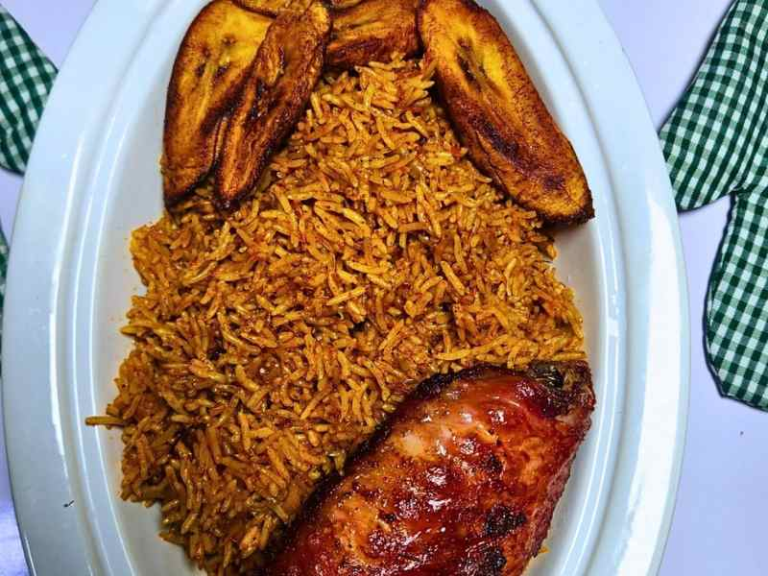
The peppers, onions, garlic, and just a little oil would fill the whole kitchen with a strong, spicy smell that made everyone’s mouth water, like my Smoky Homemade Nigerian Party Jollof Rice Recipe.
Before long, aunties and cousins would come in one by one, pretending they just wanted to “check on the food,” but we all knew they were sniffing out a piece of turkey.
My uncle always started by cleaning the turkey properly, (you should read about my pumpkin pie dump cake recipe) removing any leftover feathers and patting it dry so it wouldn’t taste watery.
He never rushed the marinating part; he would let the turkey sit in the spices for hours, most times he would put them in the fridge so the flavor could sink right in.
Another thing he taught me though I didn’t understand it at the time was that turkey can be tricky if you don’t cook it slowly.
The meat is tougher than chicken (that we all know), so he would boil it first with stock cubes, onions, and herbs before frying or roasting. That’s why his turkey was always soft enough to bite into but still juicy inside.
And, the peppers! I thought they were just regular red peppers, but he actually mixed fresh scotch bonnet, red bell peppers, and tomatoes to get that bright red color without making it too hot to eat.
He always said the secret was in roasting or lightly frying the peppers before blending them, it made the sauce sweeter and less sharp.
Even now, whenever I smell that mix of spicy peppers and frying turkey, I remember those kitchen moments, yunno the noise, the laughter, the plates filling up fast because no one wants to be the last to grab a piece.
Nutritional Value:
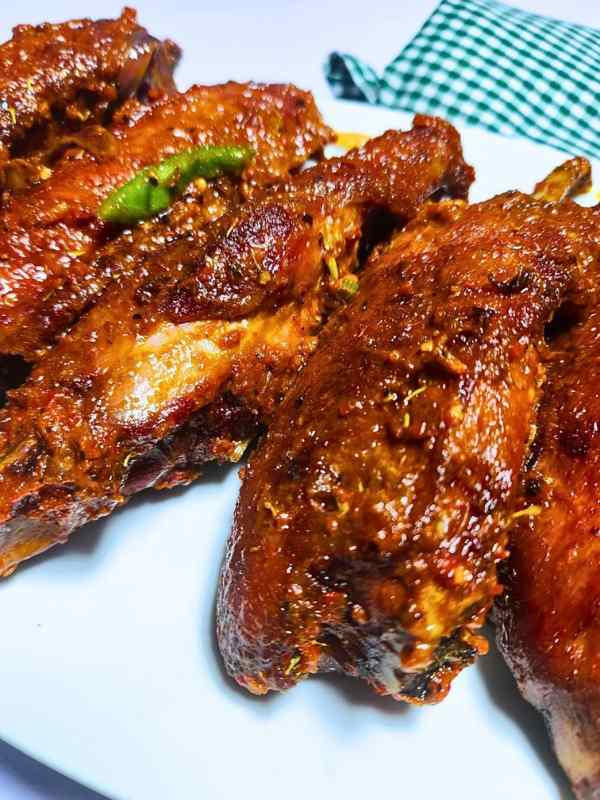
There’s more to peppered turkey than its bold taste.
Turkey is a great source of lean protein, which helps build and repair muscles while keeping you full for longer. It’s naturally lower in fat than most red meats, so you get all the flavor without feeling heavy.
The fresh peppers bring their own benefits: they’re rich in vitamin C for a healthy immune system and have antioxidants that help fight inflammation.
Using just a little oil keeps the dish lighter, and since it’s often grilled or lightly fried, it’s less greasy than deep-fried snacks. I wrote about Classic Grilled Hot Dogs Recipe.
Enjoying peppered turkey means you’re treating yourself to a dish that’s both delicious and nourishing.
Ingredients You’ll Need:
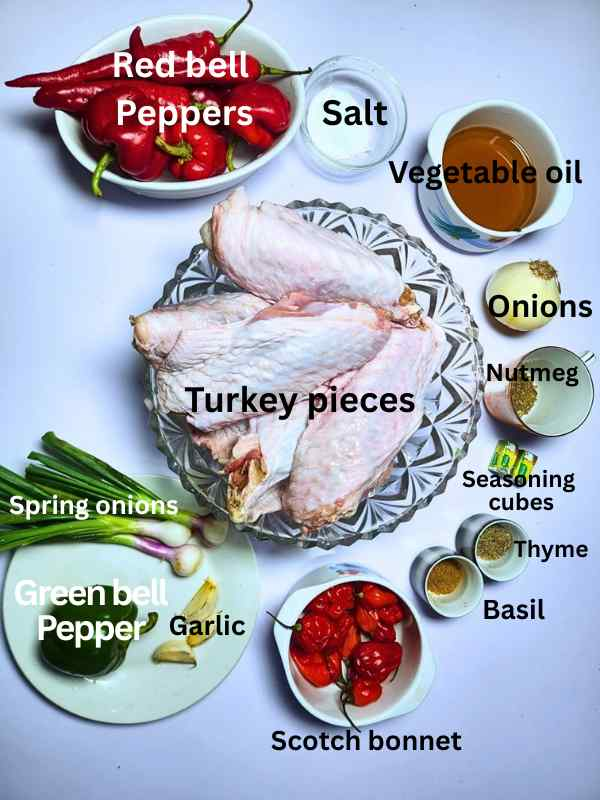
Here’s everything you’ll need to make a flavorful peppered turkey recipe:
- Turkey pieces (with skin and bones) – Bones help keep the meat juicy and add extra flavor.
- Fresh red bell peppers – Give the turkey a bright color and natural sweetness.
- Scotch bonnet or habanero peppers – Bring the spicy flavor that makes peppered turkey unforgettable.
- Onions – This adds depth and a mild sweetness that balances the heat.
- Garlic cloves – Boost the aroma and make the flavor richer.
- Fresh ginger (optional) – Adds warmth that pairs well with the peppers.
- Vegetable or sunflower oil – For frying the pepper mix and crisping the turkey.
- Seasoning cubes or powder – Enhances the savory flavor.
- Salt – Brings all the flavors together.
- Thyme (fresh or dried) – Adds a light, herby fragrance.
- Paprika (optional) – Adds a soft smoky flavor to the turkey.
- Stock or water – Helps cook the turkey until it’s tender.
Step-by-Step Preparation Guide:
Step 1: Clean and Prep the Turkey
Start by washing the turkey pieces thoroughly under running water. If you’re using frozen turkey, defrost it completely in the fridge overnight, this prevents the meat from cooking unevenly or becoming tough.
Pat the turkey dry with a clean kitchen towel, this helps the seasoning stick better and prevents excess water in the pan later.

Place the turkey pieces in a large bowl. Add salt, seasoning cubes or powder, thyme, and some minced garlic. Rub the seasoning all over the turkey, making sure to reach under the skin if possible, that’s where the flavor really settles in.
Cover and let it rest for at least 30 minutes. If you have more time, refrigerate for a few hours; the longer it sits, the deeper the flavor.
After sometime
Transfer the seasoned turkey to a pot. Add just enough water or chicken stock to come halfway up the meat. Cover and cook on medium heat until the turkey is cooked through and tender for about 25–40 minutes, depending on the size of the pieces. Save the flavorful stock after cooking because you’ll use it later to enrich the pepper sauce.
Fry or Grill the Turkey
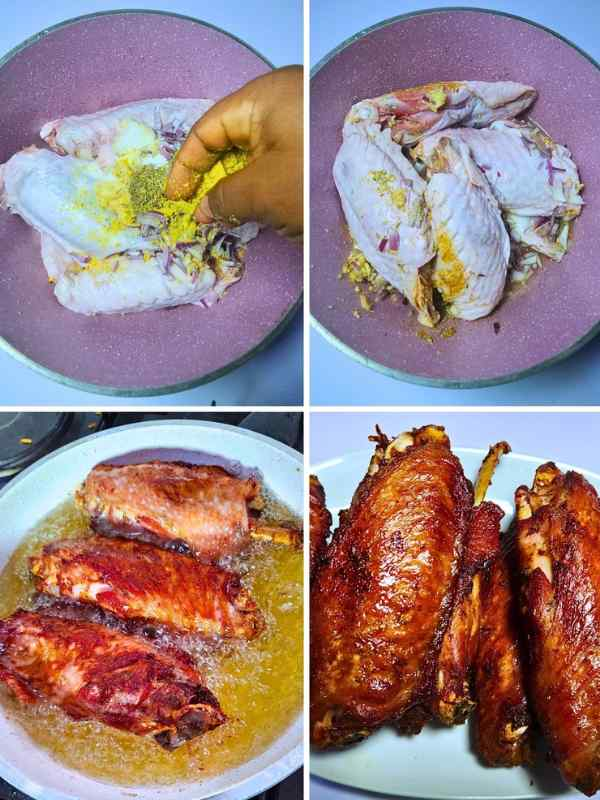
Heat vegetable oil in a deep pan until hot but not smoking. Fry the turkey pieces in batches until the outside is golden brown and slightly crisp.
This step adds a delicious texture and helps the turkey hold up in the sauce. If you prefer a lighter option, grill the turkey in the oven or an air fryer until nicely browned. Set the turkey aside on a plate lined with paper towels to drain excess oil.
Prepare the Pepper Sauce

Blend the fresh red bell peppers, scotch bonnet peppers, onions, garlic, and ginger until smooth. You can add a bit of water or stock to help the blender move. Heat a few tablespoons of oil in a clean pot and pour in the blended mixture.
Fry on medium heat, stirring often, for 10–15 minutes until the sauce thickens and the raw pepper smell fades. This step is key to getting a rich, slightly sweet flavor instead of a sharp raw taste.
Combine the Turkey with the Sauce

Add the fried or grilled turkey into the pepper sauce. Pour in some of the reserved turkey stock , just enough to loosen the sauce but not make it watery. Stir gently so the turkey is coated on all sides.
Cover and let it cook together for another 10–15 minutes on low heat; this allows the turkey to soak up the peppery goodness.
Step 7: Taste and Adjust
Taste the sauce and adjust the salt or seasoning if needed. If the sauce feels too thick, add a splash of stock; if it’s too thin, let it simmer uncovered for a few minutes to reduce.
Your peppered turkey is ready! Serve it hot as a party starter or pair it with jollof rice, fried rice, yam, plantains, or even bread rolls.
Little Essential Tips for Flavorful Turkey:
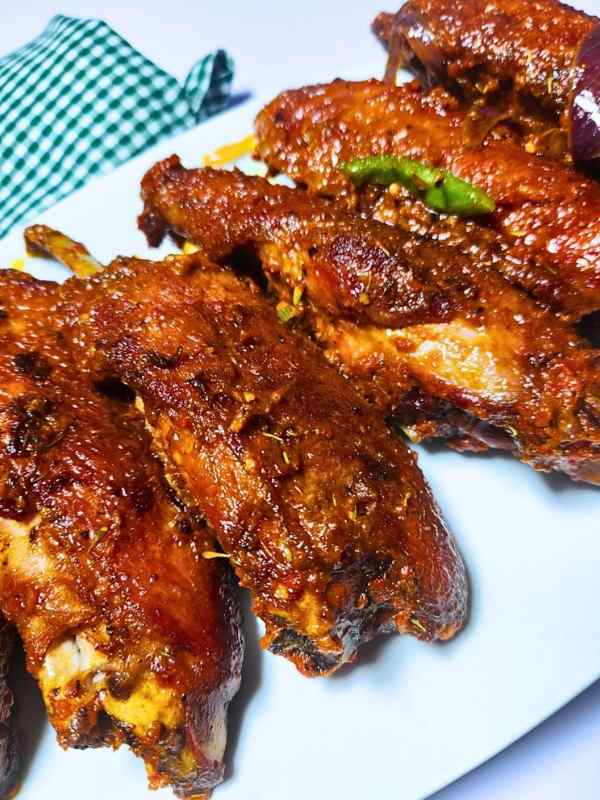
Getting peppered turkey right isn’t just about following the recipe, the small details make a big difference. Here are a few tricks that most people don’t talk about:
- Use Turkey at Room Temperature
Bring the turkey out of the fridge about 20–30 minutes before cooking. Cold meat straight from the fridge can cook unevenly and turn out tough. - Marinate for More Than 30 Minutes
Season the turkey and let it rest for at least 30 minutes, but a few hours in the fridge is even better. This lets the spices soak deep into the meat, not just sit on the surface. - Parboil Gently, Don’t Rush
Simmer the turkey slowly over medium heat instead of boiling it hard. Gentle cooking keeps the meat tender and prevents it from drying out. - Save the Stock — It’s Liquid Gold
The water you use to parboil the turkey is packed with flavor. Save it to mix into your pepper sauce; it makes the sauce richer and ties the whole dish together. - Fry or Grill for Texture and Taste
Crisping the turkey after boiling, either by frying or grilling , gives it a delicious crust that locks in moisture and makes the dish look appetizing. - Fry the Pepper Sauce Before Mixing
Lightly frying the blended peppers and onions helps remove the raw, sharp taste and brings out their natural sweetness. This is one of the biggest secrets to a smooth, flavorful sauce. - Keep the Sauce Thick
Once the turkey and sauce are combined, avoid adding too much liquid. A thick sauce clings better to the turkey and keeps the flavor rich.
How to Adjust the Heat:
One of the best things about peppered turkey is that you get to decide just how spicy you want it. If you love bold, fiery flavors, you can add more scotch bonnet or chili peppers to the mix. But if you’re cooking for kids or guests who don’t enjoy too much spice, you can keep the flavor rich without making it too hot.
A simple technique is to remove the seeds from the chili peppers before blending, that’s where most of the heat hides. You can also mix in more red bell peppers for sweetness and balance. And if the stew still feels a bit too spicy after cooking, stir in a little extra stock or a spoonful of honey to calm the burn without losing flavor.
The goal is to let the pepper bring warmth and depth, not overwhelm the turkey. Taste as you go, you’ll always get the spice level just right.
What to Serve With Peppered Turkey:
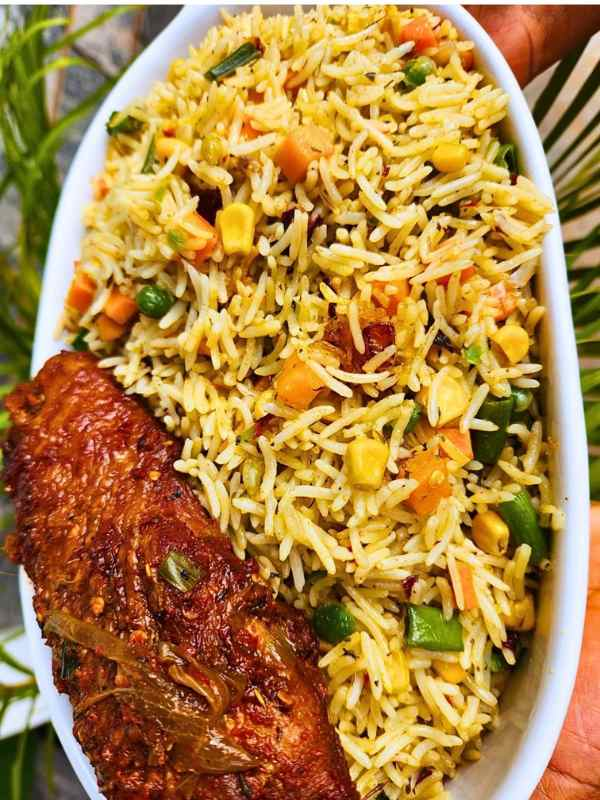
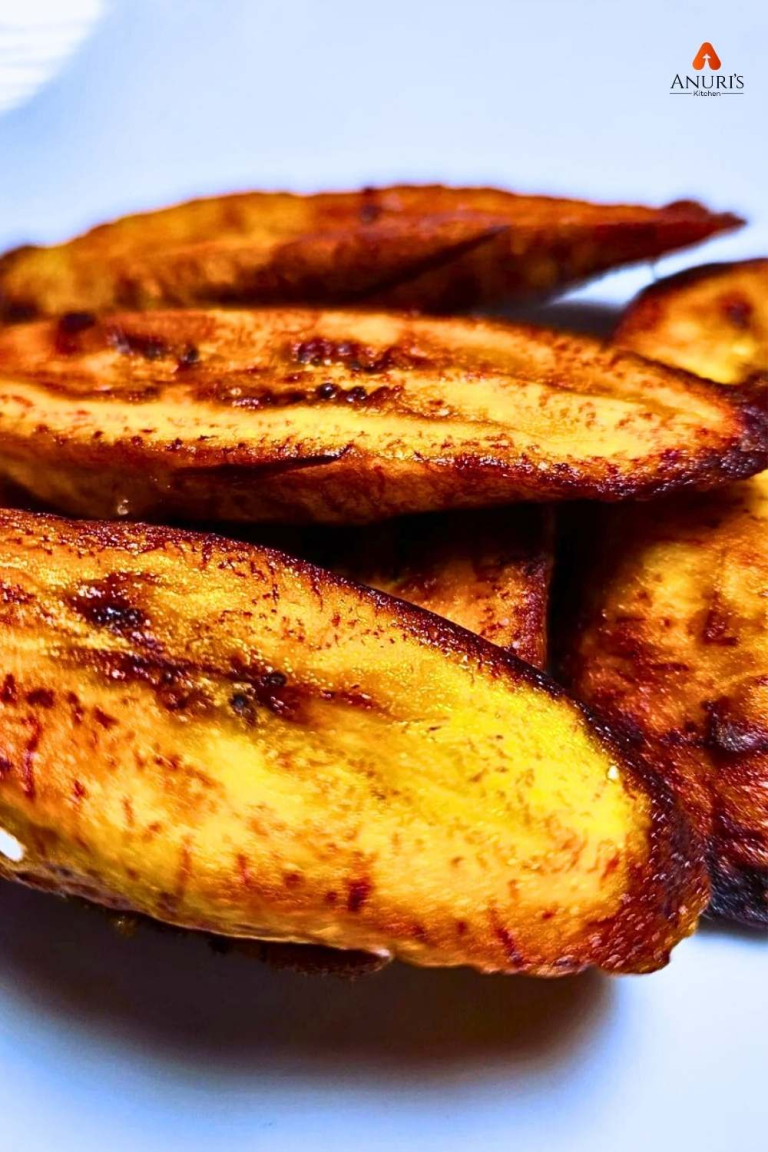
Peppered turkey is so versatile that it pairs beautifully with both everyday meals and party spreads. For a classic Nigerian combo, serve it with jollof rice or fried rice, the spicy turkey soaks up the rich tomato flavors perfectly. If you’re keeping it simple, like my Simple Fried Plantain Recipe,yam fries or roasted sweet potatoes add a sweet balance to the heat.
You can also have it with:
Fourth of July Potato Salad Recipe
Pineapple Margarita Mocktail Recipe
For a lighter side, try coleslaw or a fresh garden salad to bring in some crunch and coolness. Coconut rice or plantain also makes a crowd-pleasing plate, especially at festive gatherings.
At parties, you can cut the turkey into smaller pieces and serve it with toothpicks as an appetizer, alongside peppered snails or gizzard skewers. It’s a dish that fits right in, be it at a wedding buffet, a weekend lunch, or a holiday celebration.
Creative Ways to Make It Your Own:

- Add a Little Smoky Flavor
If you love that extra depth you get from grilled food, try adding a smoky touch to your peppered turkey. A spoon of smoked paprika or a quick sear on a grill pan before simmering brings out a warm, bold taste that makes the turkey stand out without overpowering the peppers.
- Mix Sweet with a Bit of Heat
Balancing spice with a hint of sweetness makes the turkey more exciting. A drizzle of honey or a pinch of brown sugar blended into the pepper sauce tones down sharp heat and gives the dish a rich, rounded flavor that’s both bold and satisfying.
- Fresh Herb Upgrade
Fresh herbs like thyme, basil, or parsley can completely change the flavor. Stir them into the sauce toward the end of cooking or sprinkle them on top before serving for a bright, garden-fresh taste that pairs beautifully with the smoky peppers.
- Give It Some Crunch
For a fun texture contrast, top your peppered turkey with crispy fried onions or roasted peanuts just before serving. It adds a satisfying crunch that makes every bite more interesting.
- Brighten It Up with Citrus
A squeeze of fresh lemon or lime at the end of cooking lifts the flavors and keeps the turkey tasting fresh and lively. The citrus cuts through the richness of the sauce and gives it a clean, refreshing finish.
Common Mistakes That Dry Out Your Turkey:

Even the best peppered turkey can turn dry and chew-able if a few simple steps are missed. Here are mistakes to avoid so your turkey stays juicy and flavorful every time:
- Skipping the Marinade Time
Rushing the marinating step means the spices don’t have enough time to soak into the turkey. Aim for at least 2–4 hours, or overnight if possible, to let the flavors go deep and keep the meat tender.
- Using High Heat All the Way Through
Cooking turkey over high heat from start to finish can dry it out quickly. Start with medium heat to lock in moisture, then reduce the heat so the turkey cooks slowly and evenly without toughening up.
- Adding the Peppers Too Late
When the pepper sauce goes in too late, it doesn’t have time to cook down and blend with the turkey juices. This can leave the sauce watery and the meat less flavorful. Add your pepper blend once the turkey has browned a little so the flavors cook together.
- Not Covering the Pot While Cooking
Leaving the pot uncovered lets too much steam escape, which can dry out the turkey. Cover the pot to trap moisture and create a gentle simmer that keeps the meat juicy.
- Overcooking
This is the most common mistake. Once the turkey is fully cooked and tender, turn off the heat. Leaving it on the stove longer than needed only makes it tougher and less pleasant to chew.
You just read: How to make Peppered Turkey Recipe for Any Occasion.