
Fisherman Soup
I grew up in Calabar, which is part of the riverine areas in Nigeria. One of my fond memories of Calabar is my grandfather who is a fisherman coming home to visit us after his fishing escapades. He’ll come with different species of fishes, clams, crabs etc.
I remember him giving part of his fish to my mum, and from it, she’ll make a pot of fisherman soup.
I’m sure by now you already know the reason fisherman soup is the name.

Fisherman soup, as the name implies, is a soup made from proteins from the river. One thing I love is how you can create your own seafood mix that will suit your tastebuds.This exotic Nigerian dish originates from the South-South region, an area rich in fresh seafood. Because of how appetizing this dish is, it is now a common staple dish that everyone enjoys
In this tutorial, I’ll be walking you through the exact steps that are comforting and mouth watering.
Fisherman Soup Ingredients
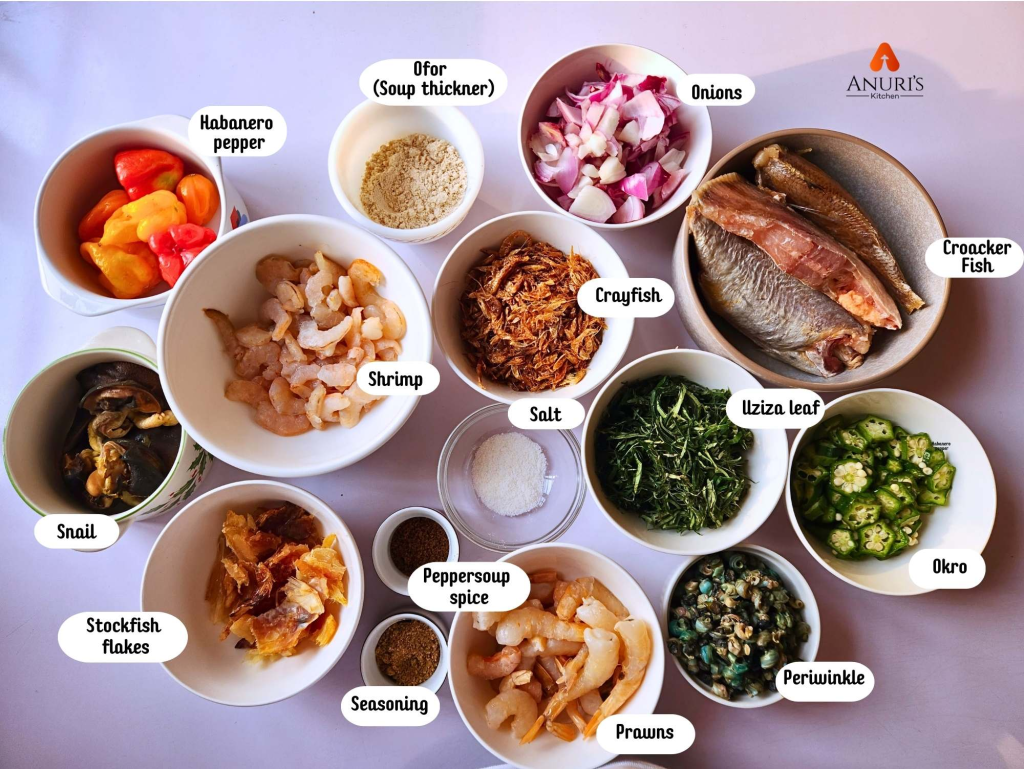
Seafoods
Croaker Fish: Croaker fish is a popular choice of fish for fisherman soup because of how firm its flesh is. It is also rich and has a slightly sweet flavor. During cooking, it holds up well without falling apart, this makes it a great choice for sous and stew.
Periwinkle: They add a very chewy texture and a deep, earthy seafood flavour to the soup.
Stockfish: This is one very kind of fish that is always found in soups. Stockfish adds a strong, smoky depth and umami flavor to fisherman soup. It gives the soup a rich, traditional taste that every seafood lover appreciates.
Snail: They add a meaty and tender texture to the soup. When cooked properly, it absorbs the flavours of the soup and makes each bite satisfying.
Prawns: Prawns contribute a sweet, delicate seafood flavor and a firm texture that pairs well with the other proteins in the soup.
Shrimp: Another very important seafood protein. Shrimps add extra richness and sweetness to the soup.
Crayfish: Add a deep seafood sweetness and umami taste, enhancing the flavor and aroma of the soup.
Vegetables
Okro: For fisherman soup, Okro serves as a natural thickener, giving the soup a slightly thick texture while also adding freshness to the soup.
Pepper: Gives the soup that spicy punch. Be sure to adjust the spice level to the quantity you prefer.
Onions: The onions flavour elevates and adds aroma to the entire soup. Onions form the flavor base of the soup.
Uziza leaves: Adds a peppery, slightly bitter taste that gives fisherman soup that distinctive traditional taste.
Seasonings & Flavor Enhancers
Salt: Salt balances and brings out all the flavors in the soup, making sure that every ingredient combines together.
Seasoning cube: Seasoning cubes enhance the overall flavor of the soup, tying all the ingredients together and adding depth to the soup.
Pepper soup spice: Pepper soup spice gives the soup its signature aroma and warmth, blending spices together.
Ofor (soup thickener): Ofor is a food thickener. Ofor thickens the soup and gives it a smooth, slightly stretchy consistency.
Cooking Essentials
Water: For cooking the soup to the right consistency. Add gradually to avoid a watery soup.
How to make fisherman soup step by step guide
Step 1: Cook your croaker fish
- Wash your fish, then put it in a pot.
- Add your seasonings in the fish. Go in with your pepper soup spice and seasoning in the fish.
- Put your pepper mix. Your pepper mix is a combination of grinded onions and pepper. Once the pepper mix is in, add a little water and cook. Cooking this together with the fish helps to add the flavour in the fish.
Step 2: Separate the fish from the stock and add periwinkles
- Once the croaker fish is cooked, gently remove it and set aside. This is to avoid the fish breaking all over in the soup.
- Add the periwinkle to the fish stock and let it simmer to absorb the rich flavor.

Step 3: Add the remaining seafood
- Add your shrimps and prawns to the fish stock that is already cooking. Let them cook until they become tender and flavorful.
- Also put your snail and allow to cook till tender.
- Go in with little water and let it cook.
Step 4: Go in with the red oil
Once your seafood has cooked properly, it’s time to add your red oil and stir to combine properly.
Step 5: Add the Ofor
- Mix the Ofor together with the red oil. It should not be too watery.
- Add the mixture in your pot of soup. At this point, the soup will begin to thicken as a result of the Ofor that has been added to it.
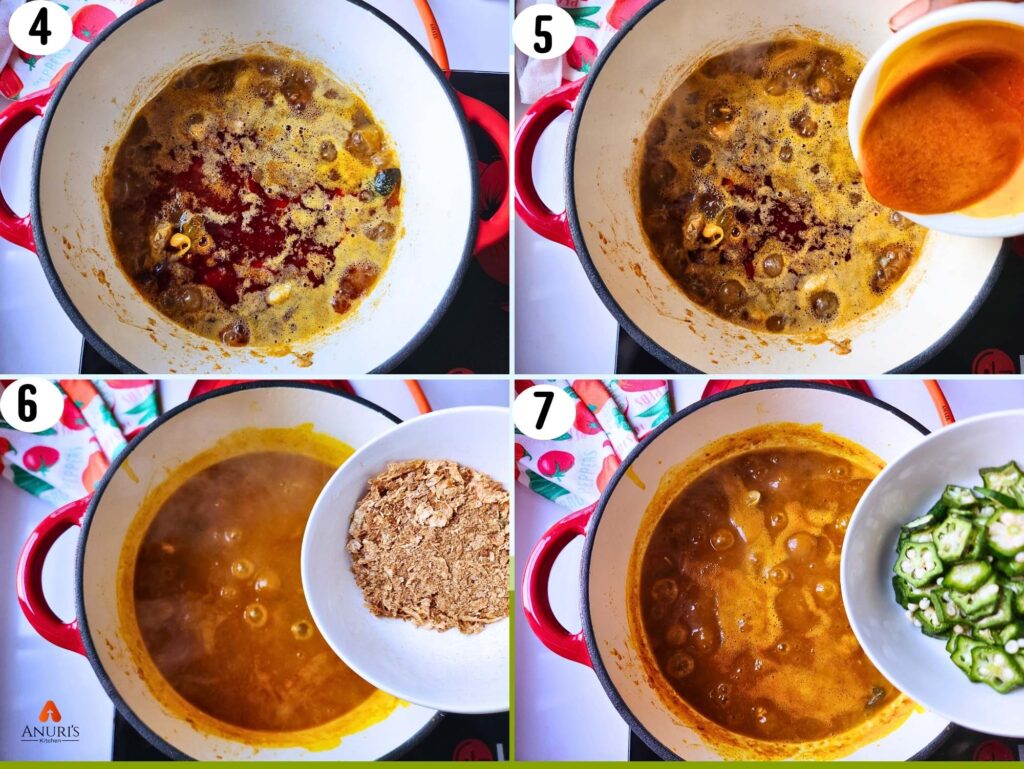
Step 6: Put your Crayfish
- Grind your crayfish and add it to the soup.
- Stir to combine properly.
Step 7: Go in with the Okro
- Cut or grind the Okro into smaller sizes and add it in the pot.
- Check for the consistency because the Okro thickens the soup.
You might also like: Seafood Okro
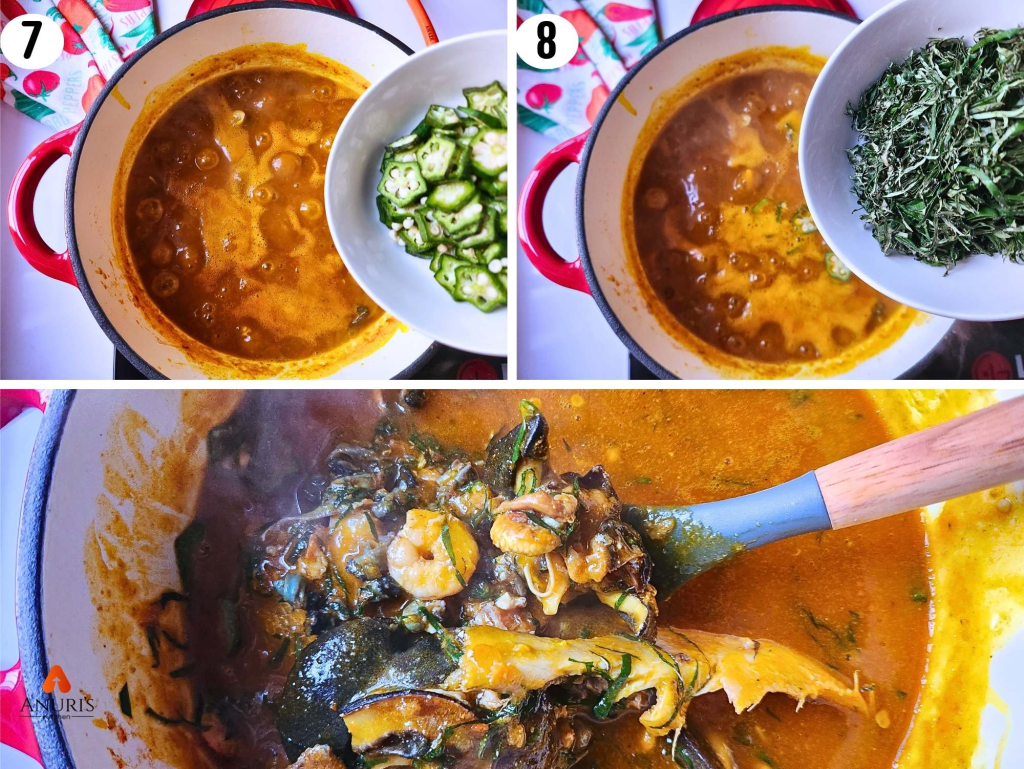
Step 8: Garnish your soup and serve
- Cut your Uziza leaf into smaller slices and add it to the soup.
- Stir together in the pot and check the consistency.
- Now add the croaker fish that you set aside earlier. Stir.
- Check for taste and adjust your seasonings.
- Turn off the heat and serve.
How to serve fisherman soup
Fisherman soup is one of those flavorful dishes that can be enjoyed at any time of the year. Whether it is a regular family meal or a special dish prepared for guests, it always delivers a rich and satisfying seafood experience.
The soup is loved for its delicious combination of fresh seafood such as fish, prawns, crab, periwinkle, or other fish, depending on personal preference. The blend of flavors creates a meal that is both flavorful and exciting to the taste buds, making every spoonful enjoyable and filling.
You’ll also enjoy: Seafood Okro
Fisherman soup is very versatile when it comes to serving. You can pair fisherman soup with different types of swallow such as pounded yam, eba, semovita, or fufu, allowing you to enjoy it as a complete and satisfying meal. At the same time, it can also be served and enjoyed on its own without any swallow. Many people prefer to eat it alone, especially when they want something light.

Pairing Suggestions
Fisherman soup can be paired with a variety of Nigerian swallows. This all depends on your preference:
- Eba (garri): A classic choice that balances the richness of the soup perfectly.
- Fufu: Soft and smooth, it complements the drawy texture of the okro beautifully.
- Pounded yam or wheat swallow: Great options if you prefer something slightly firmer but still comforting.
Each type of swallow soaks up the soup in its own way, creating a slightly different taste and dining experience every time.
If you enjoyed this recipe, try: Egusi soup
Serving Without Swallow
Fisherman soup is a versatile soup that can be taken with or without swallowing. For cold weather or during winter, hot fisherman soup can be eaten without swallowing just to provide warmth to the body. Also, if you’re craving some seafood delight, fisherman soup beautifully loaded with fish, prawns, crabs, snails, etc can be your go-to meal.
This meal is nourishing, filling and works well as a stand alone food. It’s ideal for those times you want to have a meal and not feel heavy afterwards.
Plating and Presentation Tips
- You can serve fisherman soup in a clay pot or deep bowl to retain heat and enhance the traditional feel.
- Arrange some of the seafood visibly on top before serving. This makes the dish look inviting and indulgent.
- A light sprinkle of freshly sliced uziza leaves just before serving adds a pop of color and a fresh aroma.
- Always serve hot; fisherman soup tastes best when enjoyed fresh and steaming.
How to Store and Reheat Fisherman Soup
Fisherman soup stores quite well when preserved correctly, and the flavors can even become richer after sitting for a while.
Storing:
- Allow the soup to cool completely before putting it away.
- Pour it into an airtight container and store it in the refrigerator for up to 2–3 days.
- If you need to keep it longer, you can freeze it for up to 2 weeks, although it is usually best enjoyed fresh because of the delicate nature of the seafood.
Reheating:
- Once you’re ready to enjoy it after storing, reheat your soup on low heat to avoid overcooking the seafood. Reheating multiple times will make the soup too tender and the seafood inside might break totally.
- Add a little water to the soup. That is if the soup has thickened too much.
- Stir carefully so that you don’t end up breaking apart your seafoods.If you enjoyed this fisherman soup recipe, be sure to save or bookmark it so you can easily revisit it whenever you’re craving a rich, comforting, and flavorful seafood meal.
I’d love to hear how it turned out for you, so feel free to leave a comment sharing the seafood combination you used for your fisherman soup or any personal adjustments you made. And if you found this recipe useful, kindly share it with friends or on social media so others can enjoy this delicious fisherman soup too.