Akara
Akara is one of the most loved breakfast meals across Nigeria. Growing up in the South-South region of Nigeria, Saturdays often started with the aroma of freshly fried akara and hot pap. In many households, akara and pap feel like the official Saturday breakfast chosen by not just our parents but our forefathers.
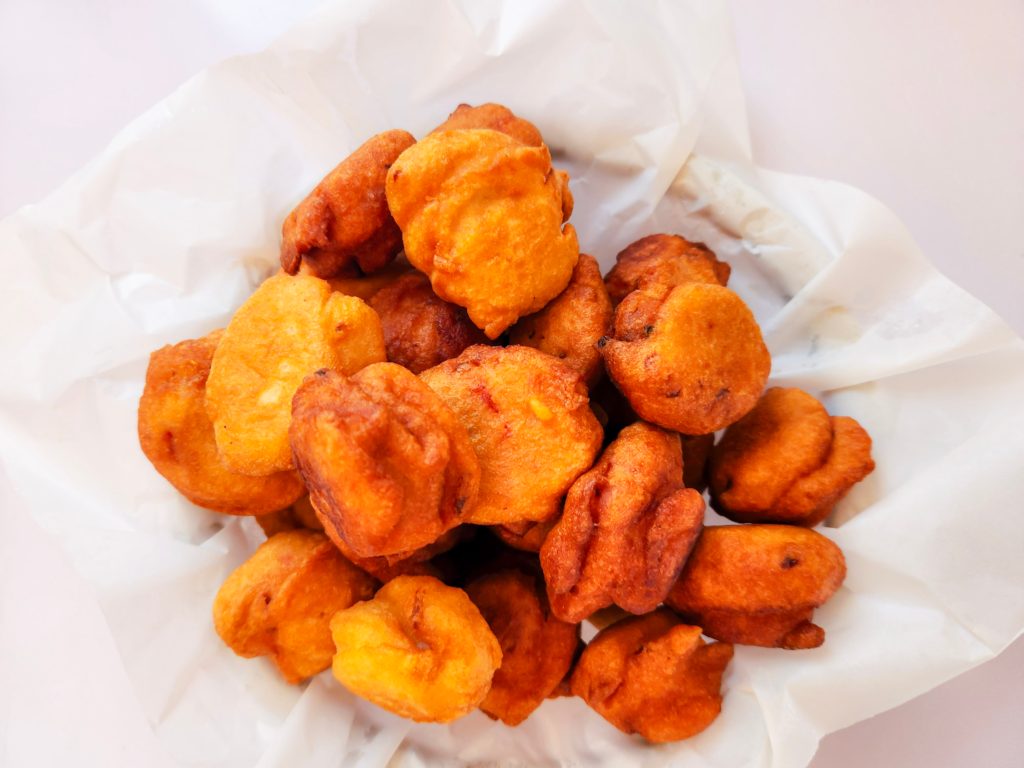
Today, preparing this Nigerian akara recipe instantly brings back childhood memories. It’s comforting, delicious, and also surprisingly easy to make at home.
Now, let’s dive right in and talk about our star dish of the day.
What Is Akara?
Bean cakes which is popularly called akara in Nigeria is a popular Nigerian breakfast made from a light, well-seasoned bean batter that is whipped until fluffy and then deep-fried until it becomes golden brown and crispy.
Many people may argue that street vendors akara taste better than home made one but that’s not the truth. Making akara at home with the right recipe is much easier than most people think. With only a few basic ingredients, you can prepare this classic Nigerian breakfast right in your own kitchen and enjoy that same rich, street-style flavor.
Go ahead and keep this recipe handy and don’t forget to wake up early, because nothing beats fresh, hot akara on a Saturday morning!
Ingredients for Nigerian Akara Recipe
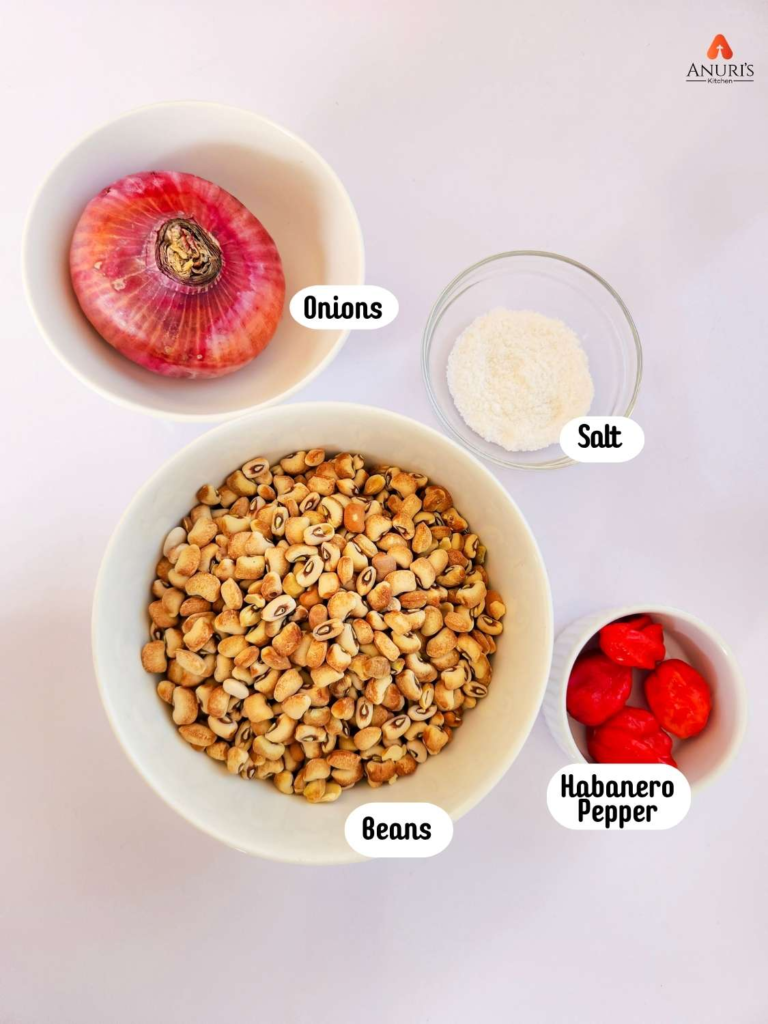
Beans: Beans are the star ingredient in this recipe. While brown beans are the most preferred and commonly used, you can also use:
White beans
Honey beans (Oloyin)
Black-eyed peas
Lentils
Each variety works well, although brown beans give the most traditional flavor.
Onion and Pepper: This batter is commonly mixed with small pieces of chopped onion and fresh pepper. These ingredients help bring out a fuller flavor while adding a light spicy kick to the fritters.
If you do not enjoy too much heat, you can simply use less pepper in the mixture.
Seasoning: The batter is typically flavored with a little salt. In some homes, cooks also include a small amount of bouillon seasoning or ground crayfish to deepen the flavor.
Cooking Oil: Akara is most often fried in vegetable oil, which allows the fritters to cook evenly and develop a crisp golden exterior. Palm oil is another option some people prefer because it adds a richer taste and a slightly firmer crunch.
Preparing the Beans
Before blending the beans, it is important to remove the outer skins.
1. Start by sorting through the beans to remove any stones, damaged beans, or dirt. Rinse them well with clean water and pour the water away.
2. Next, add fresh water and allow the beans to sit for about 10 minutes. This helps loosen the skins and makes them easier to remove.
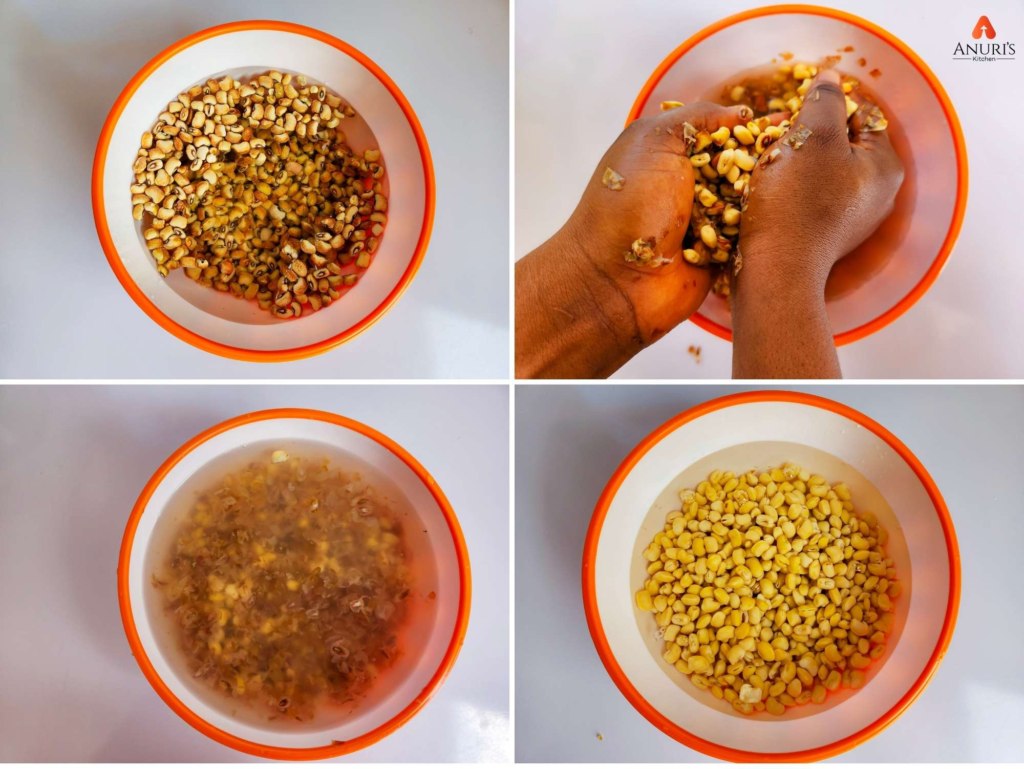
3. Rub the beans gently between your palms so the skins begin to separate. Add more water to the bowl so the loose peels rise to the surface.
4. Carefully pour off the water and floating skins using a sieve. Continue this process a few times until most of the skins have been removed.
5. Once the beans are clean, cover them with fresh water and let them soak for 6–8 hours, or overnight in the refrigerator. This soaking step helps soften the beans and gives it a smoother, lighter texture when blended and fried.
Now, let’s dive into the process
How To Prepare The Nigerian Akara
Blending the Beans
Place the peeled beans in a strong blender and blend with very little water until the mixture becomes thick and smooth. Keeping the batter thick is very important for good akara.
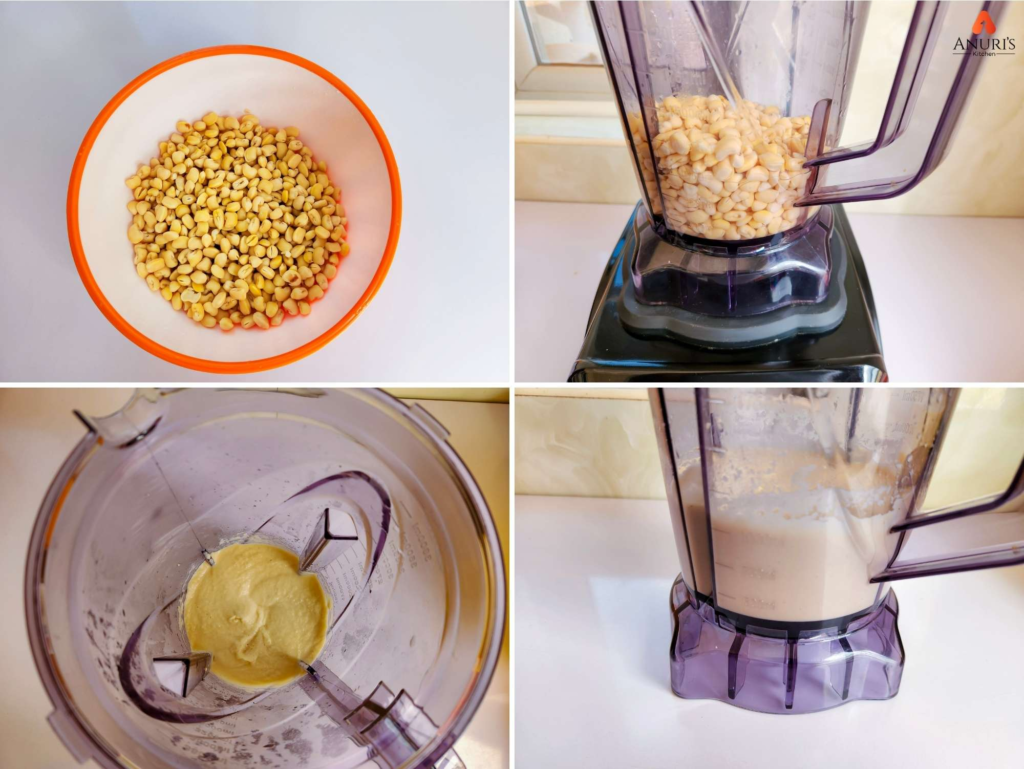
Some regular blenders may struggle with the thick mixture. If your blender has a tamper, you can use it to push the beans down and help the blades blend everything evenly. A strong blender is advisable to help blend the beans properly wihout causing any damage.
Whipping the Batter
After blending, the batter needs to be mixed well so that air is incorporated into it. This step helps the akara turn out light and fluffy after frying, instead of dense.
Traditionally, the mixture is beaten with a wooden spoon or in a mortar and pestle until it becomes airy. In a modern kitchen, you can achieve the same result using:
A whisk
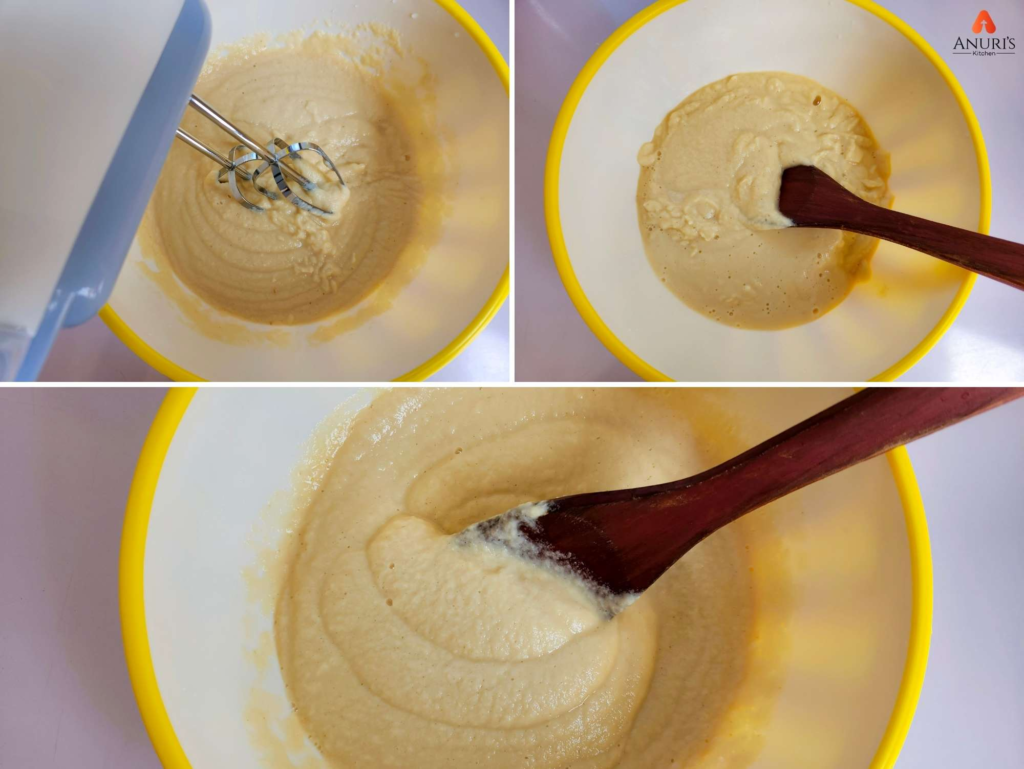
A hand mixer
A stand mixer
Mix the batter until it becomes slightly lighter and fluffy. Be careful not to overdo it, because too much air can make the akara overly soft. The goal is a batter that is airy but still rich and thick.
Seasoning the Batter
Once the batter is ready, add your seasonings. Common ingredients include:
Salt
Finely chopped onions
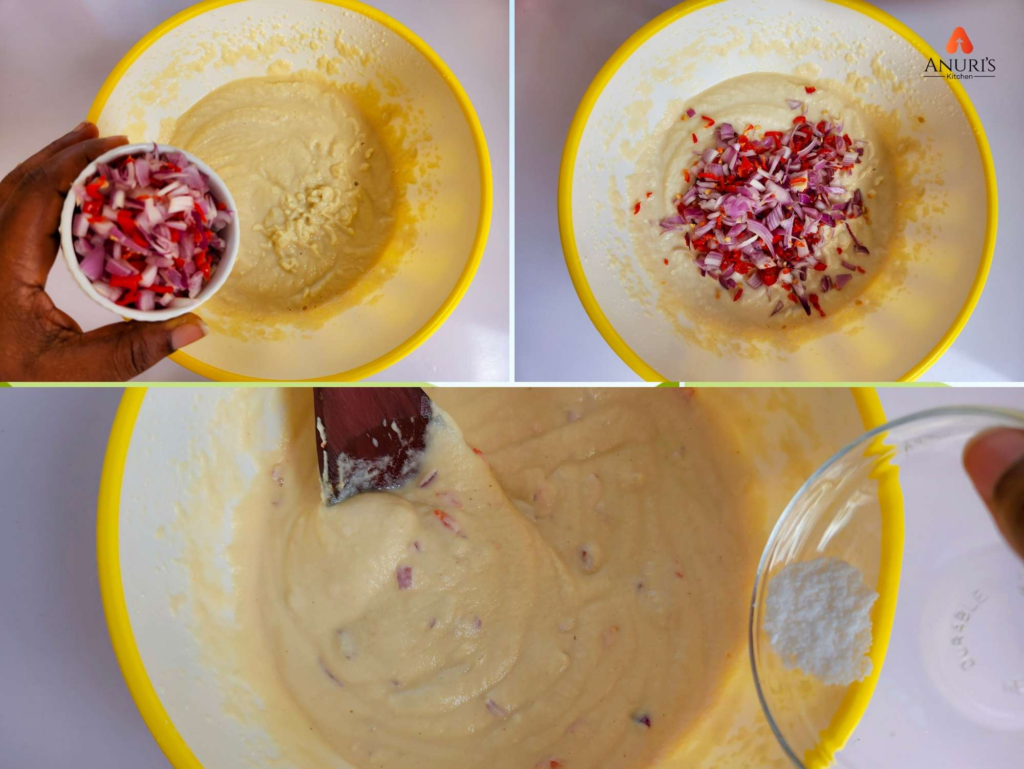
Chopped fresh pepper
Some people like to include ground crayfish or a little bouillon seasoning for extra flavor, but this is optional.
Cut the onions and peppers into very small pieces so their flavor spreads evenly throughout the batter.
Frying the Akara
Follow these steps to fry the akara.
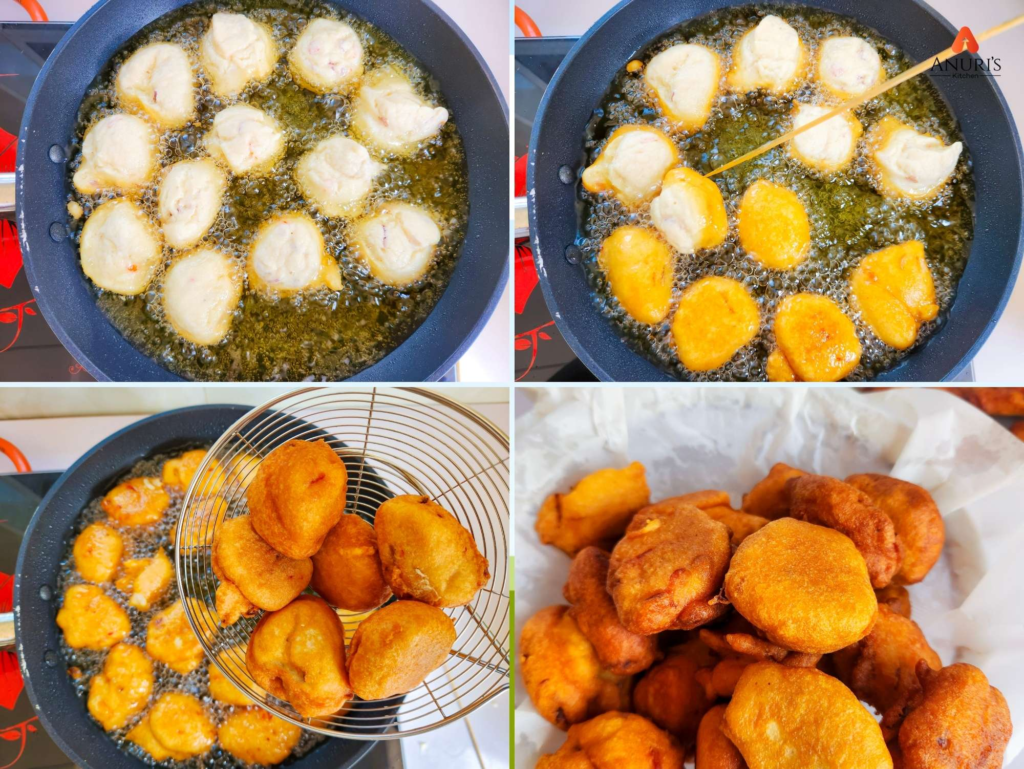
- Pour enough oil into a deep pan or wok.
- Heat the oil over medium-low heat.
- Test the oil by dropping in a small amount of batter.
- If it sizzles and rises to the surface, the oil is ready.
- Scoop portions of the batter with a round spoon and gently drop them into the hot oil.
- Fry until the it turns golden brown on all sides.
Deep frying gives akara its classic round shape and crispy exterior. Small drops of batter that fall into the oil often become crunchy bits at the bottom of the pan. Many people enjoy these extra crispy pieces.
Check this guide: Moi moi recipe
How To Serve Akara
Akara can be eaten on its own, but it is often paired with other foods. Popular options include:
Bread: Akara can be tucked inside soft bread to form a simple sandwich. You can eat this wit zobo drink or tigernut drink.
Pepper sauce: A spicy sauce adds an extra burst of flavor.
Pap (Akamu): A classic breakfast pairing. Many people scoop pap together with akara.

Custard: A smooth and sweet alternative to pap.
Garri: Cold garri served with hot akara is a surprisingly tasty combination.
How to Get the Best Akara
1. Allow the beans to soak for 6–8 hours or overnight. This softens them and improves the final texture
2. Blend with as little water as possible so the akara can hold its shape while frying.
3. Mix enough to introduce air, but not so much that the batter becomes too airy
4. Oil that is too hot can burn the outside before the inside cooks. Oil that is too cool will cause the akara to absorb too much oil.
5. Deep frying allows the it to float and develop a nice round shape.
6. If you are unsure whether it is fully cooked, cut one open to confirm the center is done.
7. Place fried akara on paper towels or a sieve to remove extra oil
8. Akara tastes best when it is fresh, hot, and crispy.
Frequently Asked Questions
Is Akara Good for the Body?
Yes, akara can be good for the body because it is made from beans, which are rich in protein and fiber. However, since it is deep-fried, it should be eaten in moderation.
Is Akara Protein or Carbohydrate?
Akara contains both protein and carbohydrates. Beans provide plant-based protein, while they also contain carbohydrates that supply energy.
What Is the Difference Between Akara and Moi Moi?
Both are made from blended beans. However, akara is deep-fried while moi moi is steamed, which gives them different textures.
Why Does My Akara Break Apart in the Oil?
Akara may break apart if the batter is too watery or not properly mixed. A thick batter helps it hold its shape.
Why Is My Akara Absorbing Too Much Oil?
This usually happens when the oil is not hot enough or when the batter is too thin.
Why Is My Akara Flat Instead of Round?
Akara becomes flat when the batter is too watery or when there is not enough oil for deep frying.
Can Powdered Beans Be Used?
Yes, powdered beans can be used. However, make sure the batter is thick and smooth.