Afang Soup
There is something about a pot of Afang soup cooking that instantly makes the kitchen feel warm and inviting. The rich aroma of vegetables, stockfish, and assorted meats slowly blending together creates a smell that is both comforting and satisfying. Even before the soup is ready, you can already tell it is going to be a delicious meal.
For a long time, Afang soup looked like one of those recipes that required special skill and experience to prepare properly. The combination of different vegetables, meats, and steps made it seem complicated at first. It was easy to assume that achieving that rich taste and perfect texture was difficult.
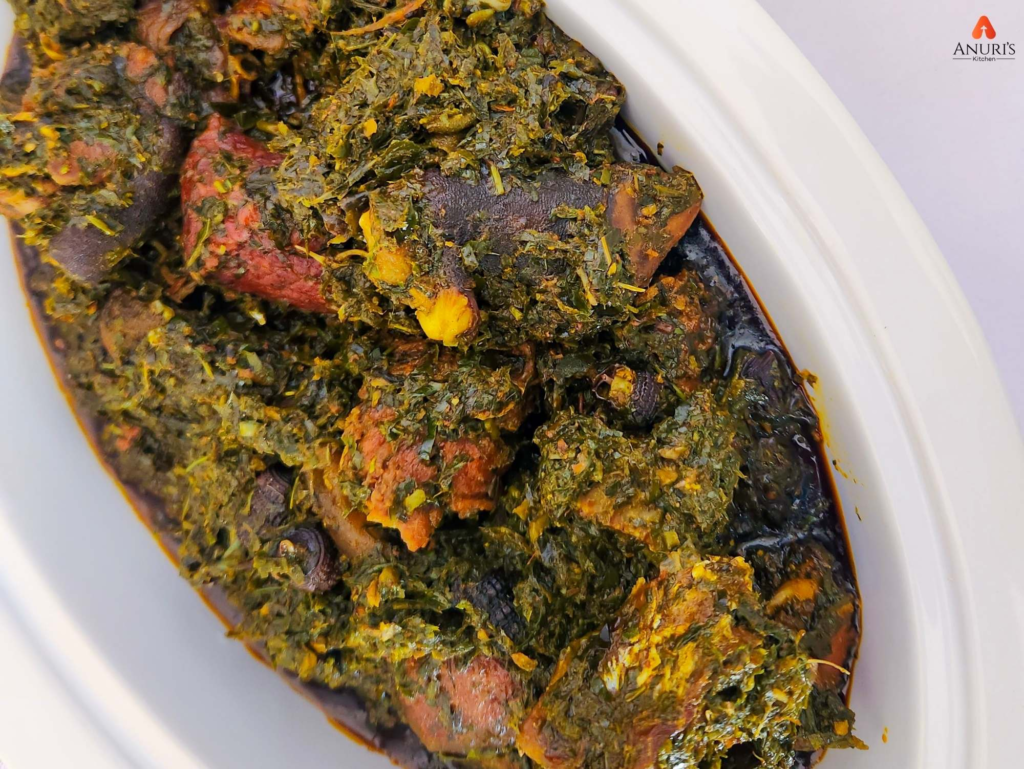
However, I later discovered that Afang soup is much easier to make than it appears. Once you understand the right process and use the proper ingredients, everything comes together smoothly. It is simply about following the steps and allowing the ingredients to blend perfectly.
In this tutorial, I will share with you a simple and fail-proof method to cook Afang soup that is rich, flavorful, and satisfying. You will be able to recreate this delicious and nourishing soup confidently in your own kitchen.
Afang soup is one of the most beloved traditional soups in Nigeria, especially in the south south region. It pairs perfectly with fufu, garri, pounded yam, or semovita, and it remains a true comfort food in many homes.
Afang Soup Ingredients
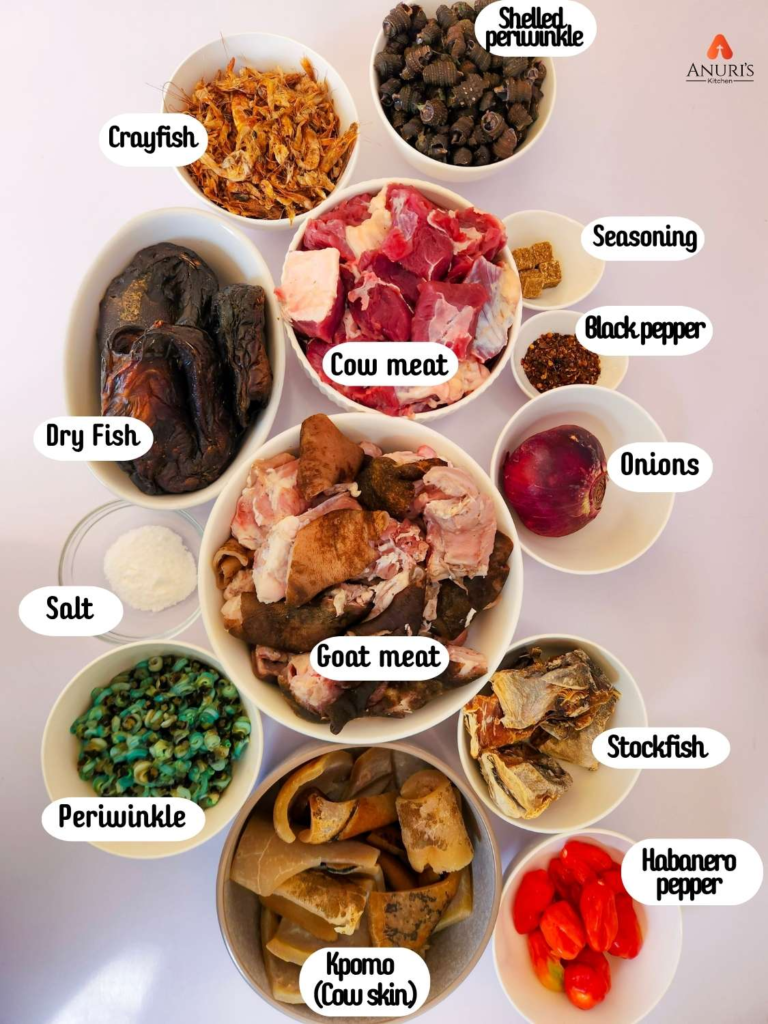
Cow Meat: Cow meat forms the base of the soup. It releases a rich, savory flavor while cooking. The meat also produces stock, which becomes the foundation of the soup’s taste.
Goat Meat: Goat meat adds a bold, slightly stronger flavor. It gives the soup a traditional Nigerian taste. The texture stays firm and satisfying after cooking
Kpomo (Cow Skin): Kpomo adds a chewy texture. It absorbs seasoning and spices very well. This makes each bite flavorful and enjoyable.
Dry Fish: Dry fish gives the soup a smoky, deep flavor. It improves the aroma and adds a distinct traditional taste.
Stockfish: Stockfish has a strong, concentrated flavor. It adds depth and richness to the soup. It also contributes a unique texture.
Crayfish: Crayfish acts as a natural flavor enhancer. It brings a mild seafood taste. It helps blend all the ingredients into one rich flavor.
Periwinkle (With or Shelled): Periwinkle adds a unique seafood flavor. It gives the soup a coastal Nigerian touch. It also adds variety in texture.
Habanero Pepper: Habanero pepper provides heat and freshness. It gives the soup its spicy character. The level of heat depends on the quantity used.
Black Pepper: Black pepper adds a sharp, spicy flavor. It enhances the overall taste without overpowering the soup. It works well with other spices.
Onions: Onions add natural sweetness and aroma. They balance the strong flavors from meat and seafood. They also improve the taste of the stock.
Seasoning Cubes: Seasoning cubes boost the overall flavor. They strengthen the taste of the meat and broth. Proper use prevents the soup from tasting bland.
Salt Salt improves all the flavors in the soup. It brings out the natural taste of each ingredient. Careful use prevents over-salting.
Each ingredient plays a specific role. Meat builds the base. Seafood adds depth. Spices enhance flavor. Afang leaves complete the dish with a distinct texture and taste.
Preparing the Vegetables (Afang (Ukazi) Leaf and Waterleaf)
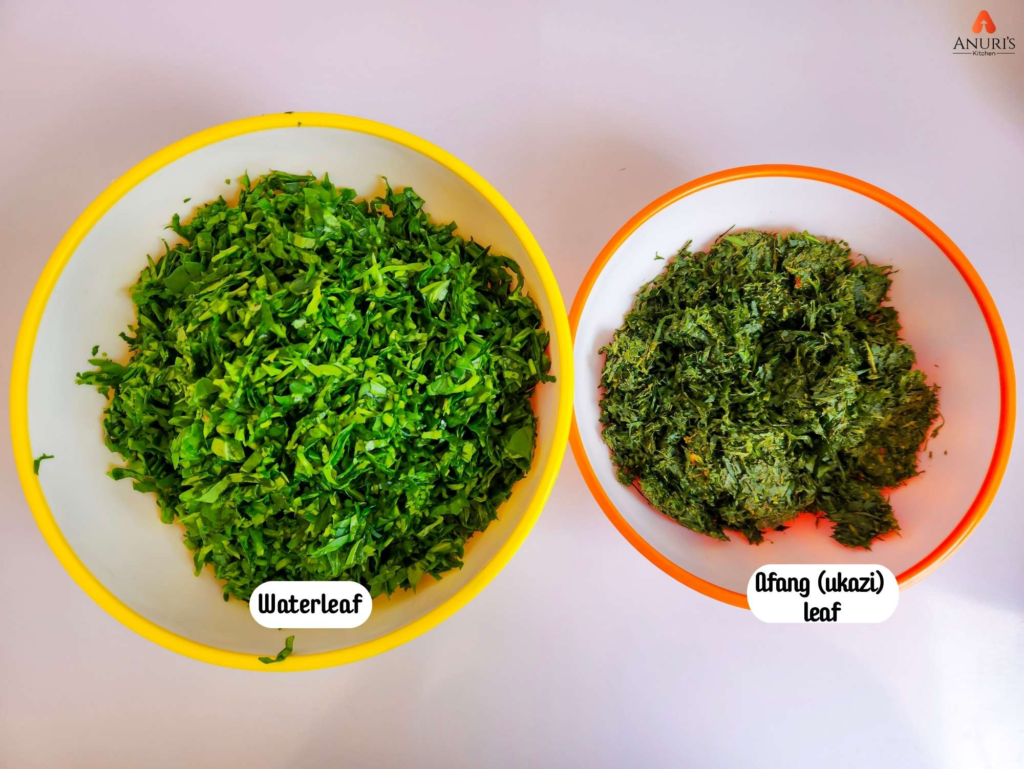
Afang (Ukazi) Leaf: The afang leaf starts in a tough, whole form. The fresh leaves look firm, slightly thick, and leathery. This texture makes them difficult to chew in their raw state.
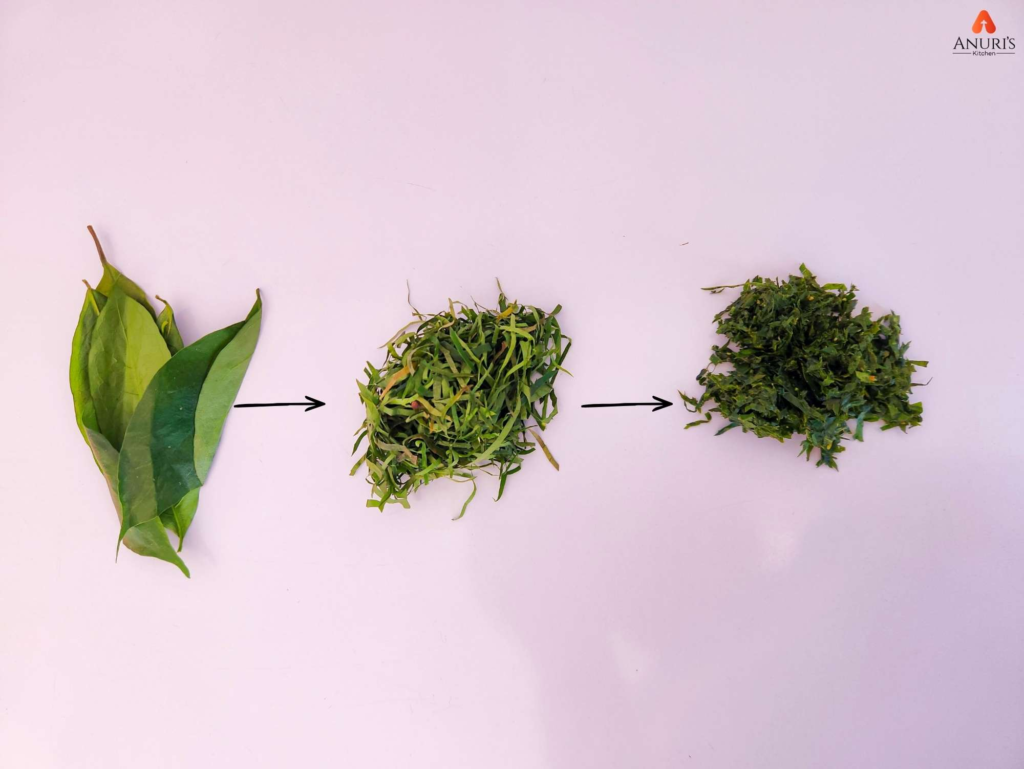
The next stage involves slicing. You cut the leaves into very thin strips. This step reduces the toughness and prepares the leaves for proper cooking. Thin slices help the leaf soften and cook evenly.
The final stage involves pounding or finely shredding the sliced leaves. This process breaks down the fibers further and softens the texture. The leaf becomes easier to chew and blends well into the soup. This is the exact form used when cooking Afang soup.
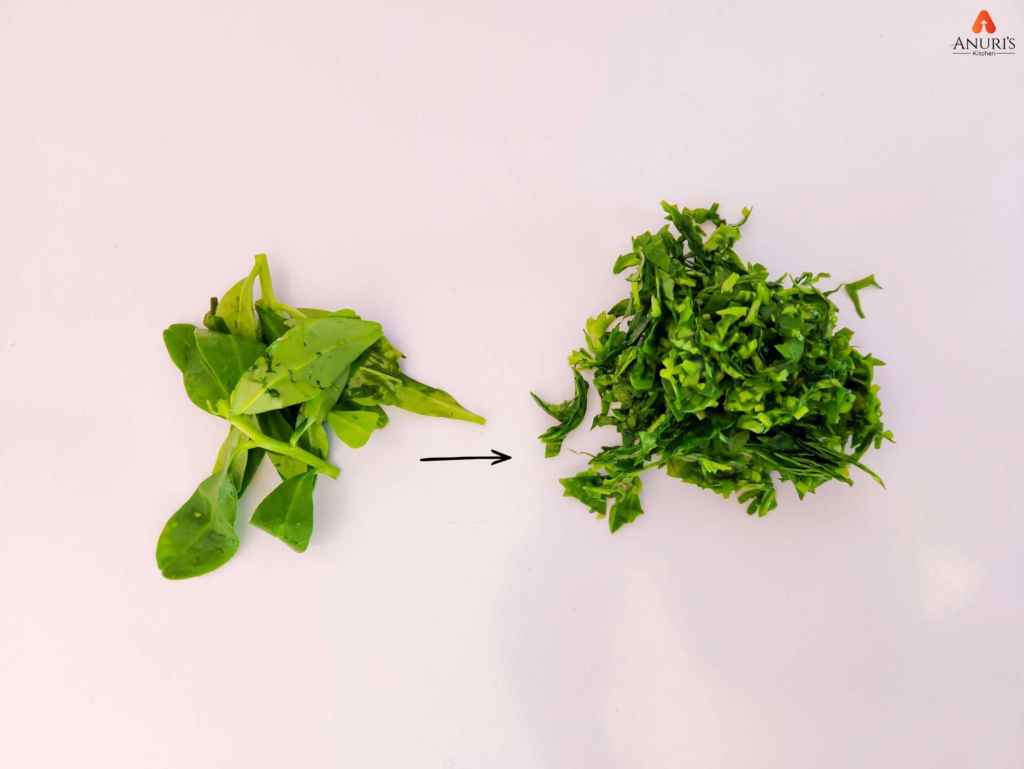
Waterleaf: Waterleaf starts soft, tender, and naturally full of moisture. The leaves and stems feel delicate and contain a high water content.
Preparation involves simple cutting. You chop the leaves and stems into smaller pieces. Cutting releases the natural water stored in the plant. This water contributes to the soup’s consistency. Waterleaf does not require pounding or extra processing. Its softness allows it to cook quickly and blend easily into the soup. It balances the toughness of afang leaf and adds a light, fresh texture to the dish.
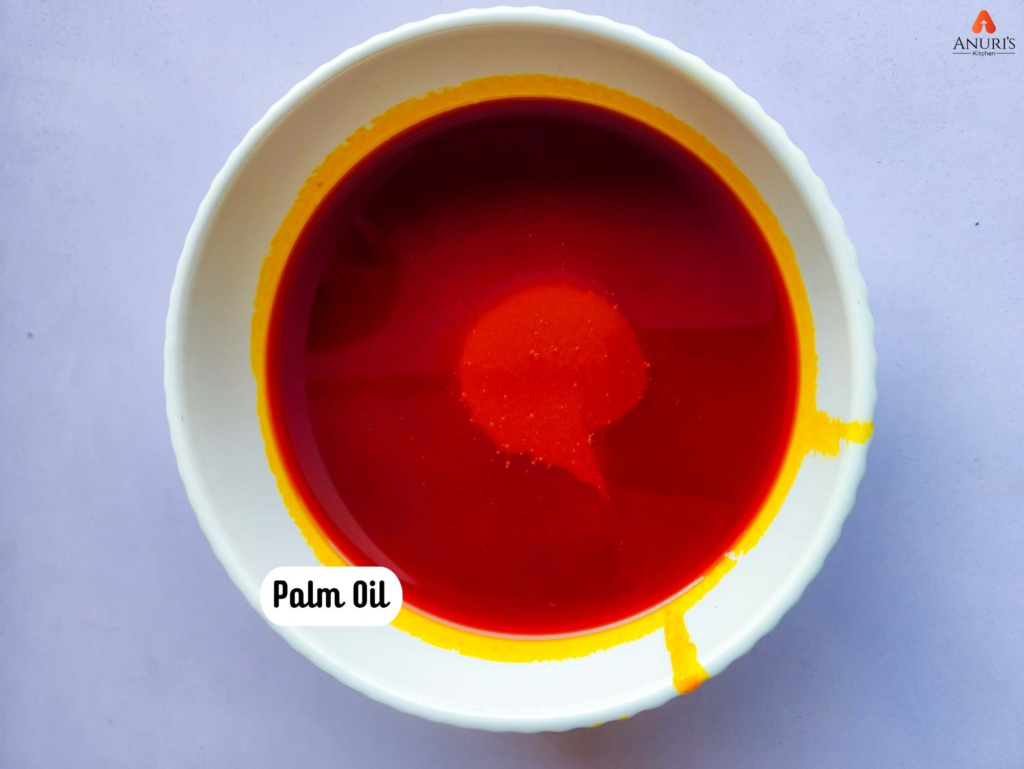
Palm oil: is one of the major ingredients in Afang soup because it defines the richness, color, and overall taste of the dish. It gives the soup that deep reddish-orange color, making it look vibrant and properly prepared instead of dull or overly green.
Another important role is in the texture. Afang soup is meant to be thick and rich, not watery. Palm oil helps give it that slightly thick, glossy consistency that allows the leaves and meat to be well coated.
Afang soup is known to absorb oil, so you need to add a generous amount. If too little is used, the soup will lack richness and won’t come out properly. Palm oil is not just for cooking in this dish, it is essential to achieving the authentic taste, texture, and appearance of Afang soup.
How to Prepare Afang Soup (Step by Step Guide)
Step 1: Prepare and Parboil the Proteins
1. Start by thoroughly washing all your proteins. You can mix and match depending on what you like, but a rich combination gives the best flavor. As stated in the ingredients, I used cow meat, goat meat, stockfiss, dry fish (deboned), kpomo, periwinkle (optional but highly recommended)
2. Wash the stockfish and dry fish with hot or warm water to clean the hidden dirts in them. . Make sure to remove bones from the dry fish.
3. In a pot, add: cow meat, goat meat, stockfish and kpomo. Add kpomo early so it softens properly.
4. Season with salt, pepper, seasoning cubes and onions. Add just enough water and allow it to boil until it starts getting tender.
5. When the meat is about halfway cooked, add the shelled periwinkle so it doesn’t overcook. Let everything cook until tender and flavorful. This stock will form the base of your soup
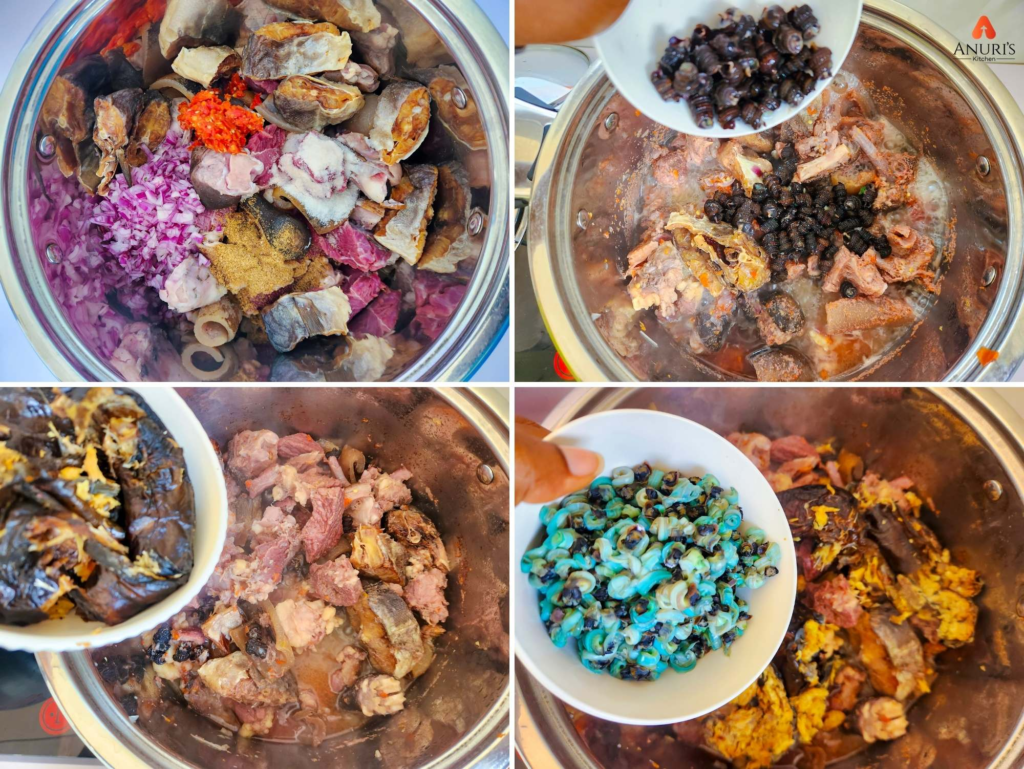
Step 2: Finish Cooking the Meat Stock and Add Periwinkle
1. Come back to the meat stock that should have softened by now. Add the dry fish and the unshelled periwinkle. Allow to boil with the rest of the meat.
2. Once you are sure everything is cooked, turn off the heat and set it down from the fire.
Step 3: Prepare the Waterleaf
Waterleaf is naturally full of water, and if not handled properly, it can make your soup watery and dilute the flavor.
1. Chop your waterleaf
If it looks too watery, squeeze out the excess liquid, so that the liquid from the waterleaf will not overpower your soup thereby making it slimy and watery.
2. Place your waterleaf in a pot and steam on low heat. Do not add water, the leaf will release its own moisture.
Allow it to cook until the water reduces significantly. What you want is a softer leaf with less liquid, not a watery base.
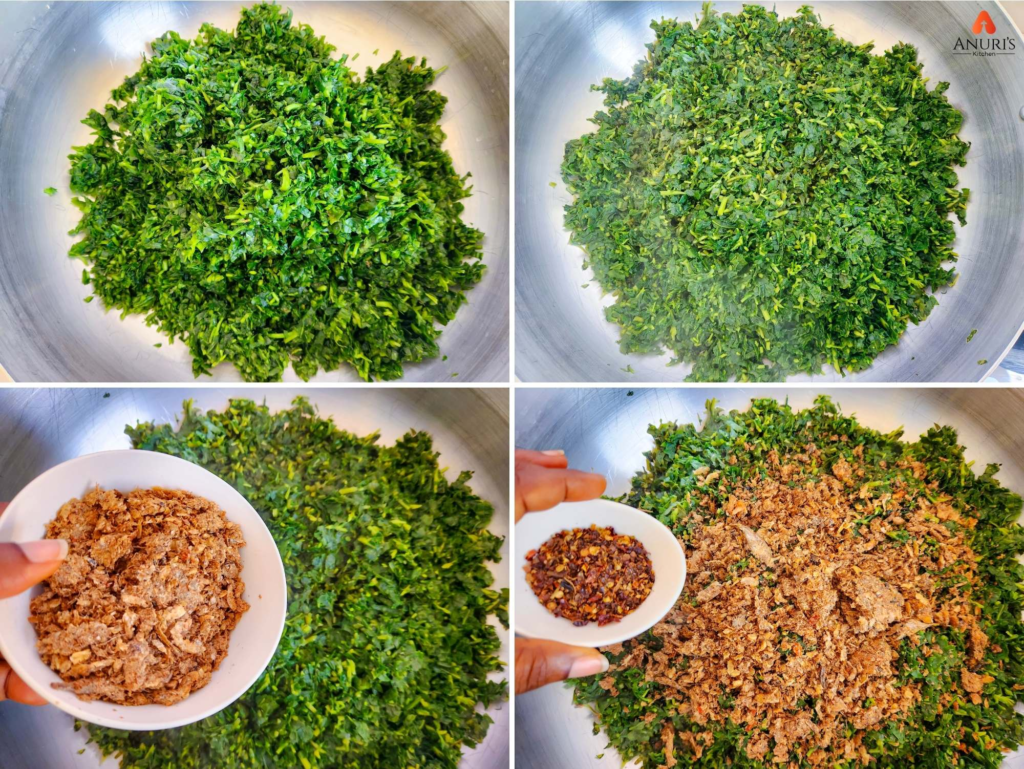
Step 4: Build the Soup Base
1. Once you are done steaming the waterleaf has reduced, Add ground crayfish.
2. Go in with the meat stock. Add your cooked meats, stockfish, and dry fish.
3. Add pepper (adjust based on your tolerance).
4. Add palm oil generously.
Afang soup consumes oil, so don’t be afraid to add enough. If you add too little oil, the soup will look green and flat instead of rich and glossy.
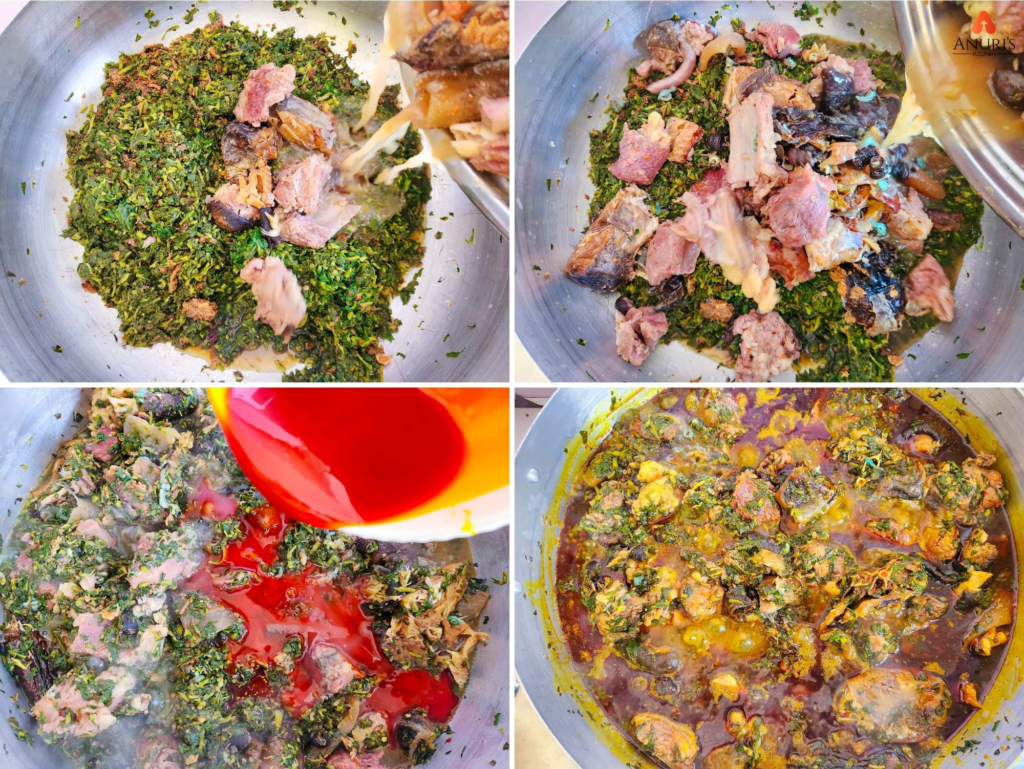
This is what I do. At this point, I make the soup slightly salty or just enough. This is because when you add the afang leaf later, it will absorb the entire seasoning.
5. Allow everything to cook and blend together properly.
Step 5: Add the Afang (Okazi) Leaf
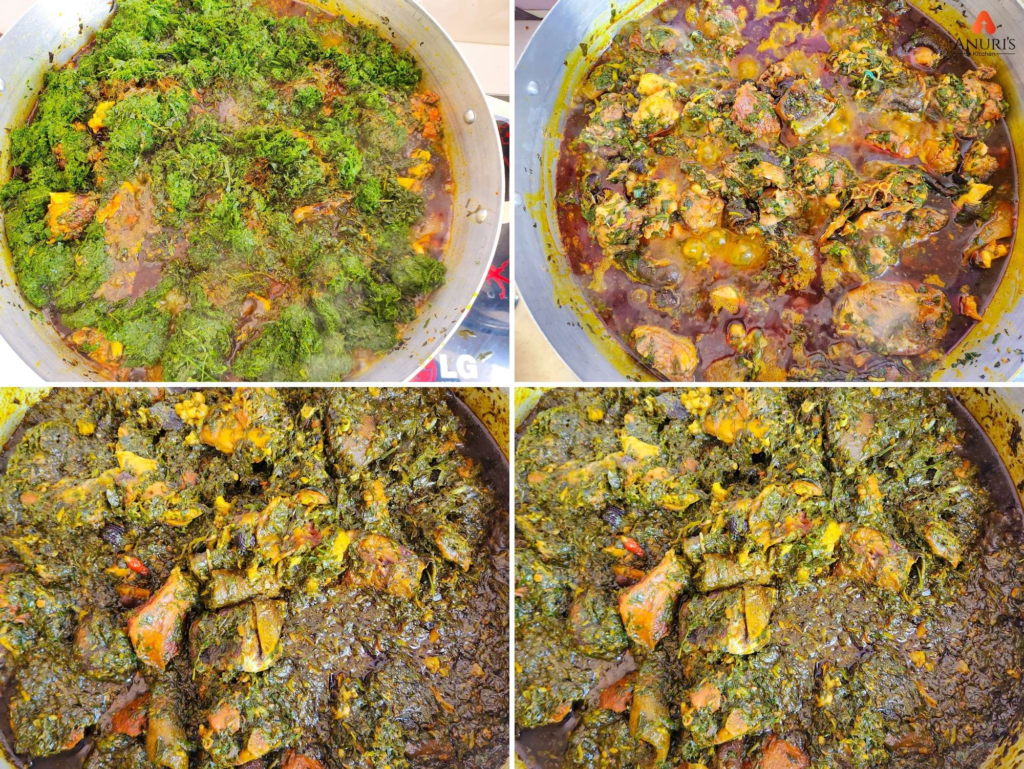
1. Sprinkle the sliced or pounded afang leaves on top of the soup. Do not stir immediately. Cover the pot and allow it to cook for a few minutes. This helps the leaf soften and absorb the flavors.
2. After a few minutes, open the pot, stir thoroughly to combine everything
If the soup feels too thick, add a little more palm oil, not water.
Be careful with water, Afang soup should not be watery.
Let it cook for a few more minutes until everything is well incorporated.
Step 5: Final Stage
1. Once everything is fully combined, taste again and adjust seasoning if needed.
2. Ensure the oil sits slightly on top (a sign of a well-made Afang)
Turn off the heat and serve.
Your Afang soup should be thick, rich, well coated with oil and packed with flavour
Best Pairings for Afang Soup
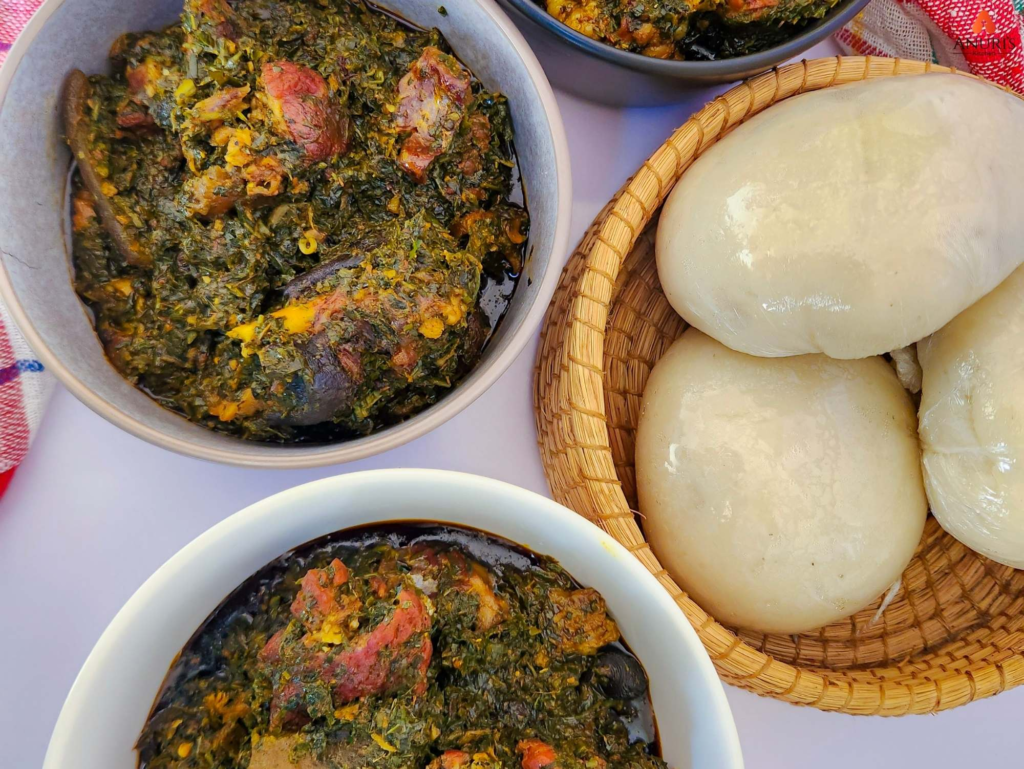
Afang soup is best enjoyed with Nigerian swallow foods. These pairings help you scoop and fully enjoy the texture of the soup.
Akpu (Fufu / Cassava Dough)
This is the most traditional pairing.
Soft, smooth, and slightly stretchy, akpu is perfect for scooping thick Afang soup. It balances the richness and makes every bite satisfying. You can get this in some African stores abroad.
Garri (Eba)
Eba is slightly firmer than fufu and has a subtle grainy texture. It pairs beautifully with Afang because it holds the soup well without breaking apart.
Semovita (Semolina)
Semovita is smooth, easy to prepare, and very popular. It has a neutral taste that allows the rich flavor of the Afang soup to shine.
Serve your Afang soup hot, with any swallow of your choice. Use your hands to scoop, dip, and enjoy, it’s the authentic way to experience the texture and richness of this dish.
How to Store and Reheat Afang Soup
Afang soup stores very well when handled properly, and like many Nigerian soups, the flavor often becomes even richer after it sits for a while.
Storing:
Allow the soup to cool completely before storing. This helps maintain its texture and prevents spoilage.
Transfer the soup into an airtight container and refrigerate for up to 2–3 days.
If you want to store it for a longer period, you can freeze it for up to 2 weeks. Afang soup freezes well because of its rich oil content, which helps preserve both flavor and texture.
Reheating:
Reheat the soup gently on low heat. Afang soup is already thick and rich, so it does not need aggressive heating.
Instead of adding water, add a little palm oil while reheating. This helps restore the soup’s rich texture and keeps it from becoming watery or diluted.
Stir occasionally to ensure the heat is evenly distributed and the soup does not burn at the bottom.
Avoid reheating the soup multiple times. Only reheat the portion you plan to eat. This helps maintain the taste, texture, and overall quality of the Afang soup.