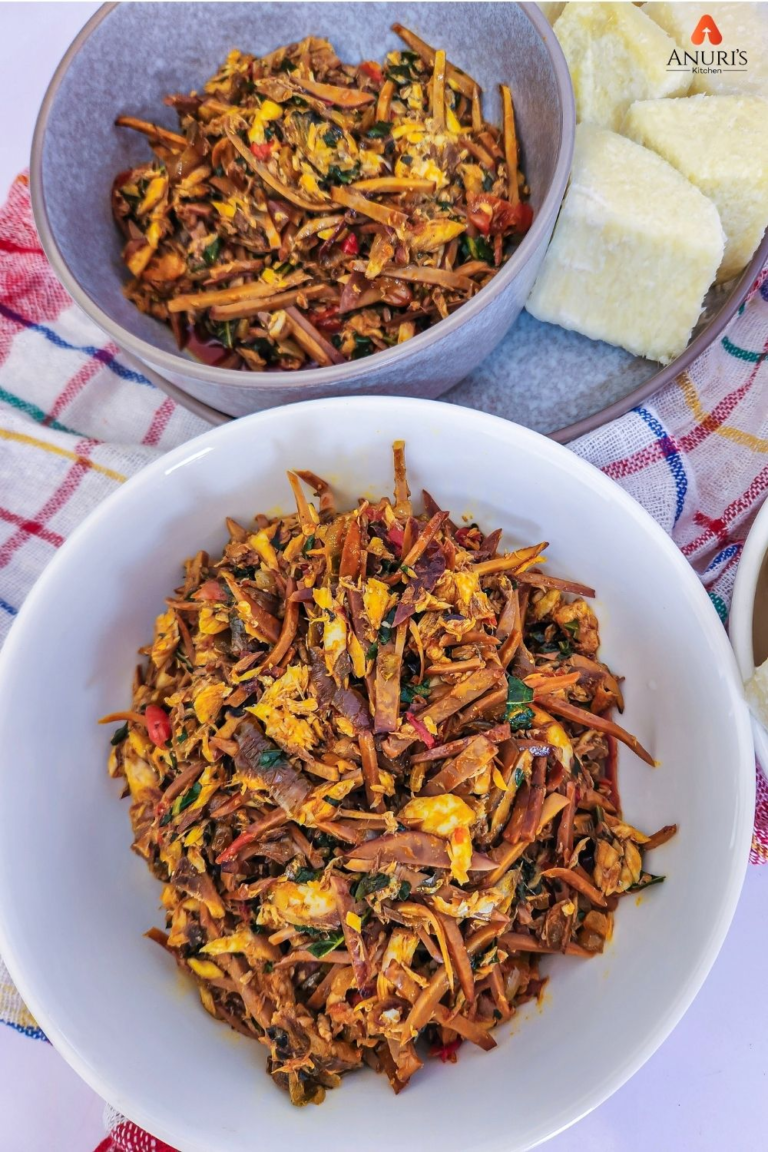
Abacha African Salad
Disclosure: Some of the links in this post are affiliate links. This means if you click on the link and purchase an item, I will receive an affiliate commission at no extra cost to you.
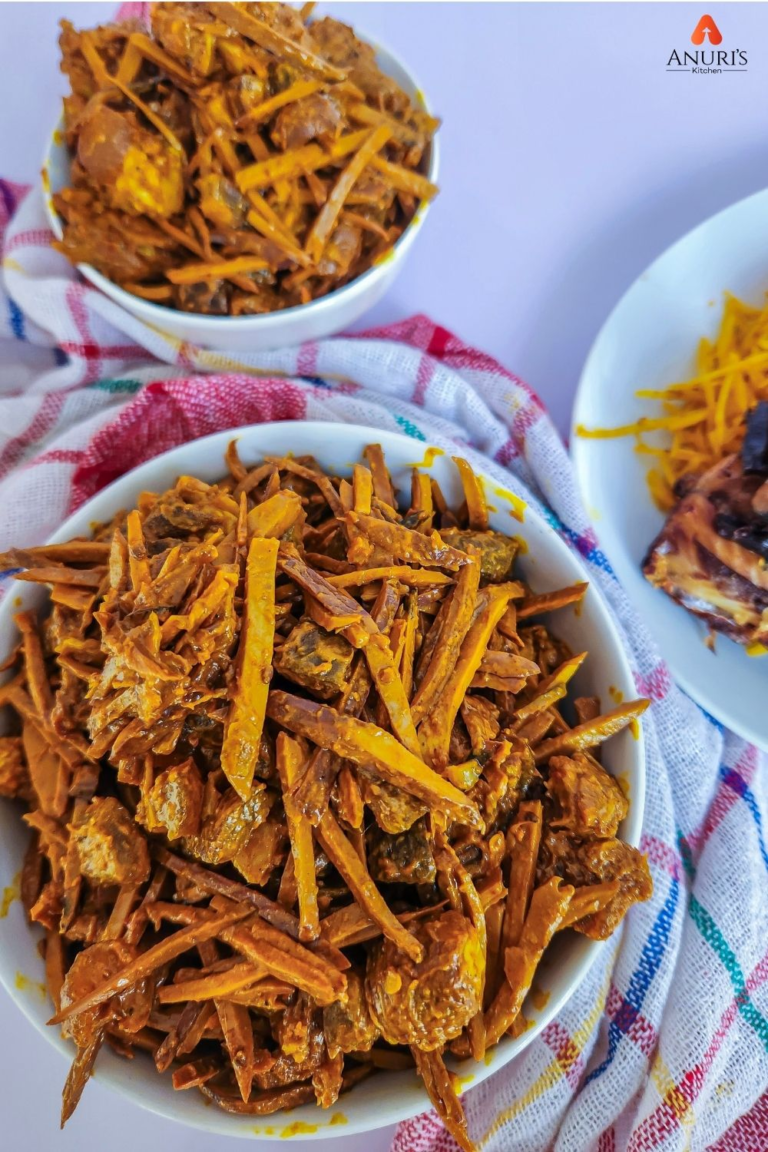
Abacha, also known as African salad, is that one dish every Easterner in Nigeria knows, eats, and loves. This beautiful delicacy comes from processed, dried cassava and transforms into something truly special with the right mix of ingredients. The process of turning cassava into abacha is filled with memories, often bringing people together as families peel, soak, and prepare it side by side, sharing stories and laughter along the way. If you enjoy traditional Eastern Nigerian delicacies, you should also try my Juicy Ugba recipe, another flavorful local favorite packed with authentic taste.
Nowadays, many people don’t go through the stress of soaking and peeling cassava themselves. Already processed abacha is easy to find in the market, so you can just buy it and prepare it to your taste.

Abacha brings together a variety of flavors, textures, and colors, turning simple ingredients into a meal that everyone enjoys. We prepare it by combining key ingredients that give it its rich taste and signature look. While some people may not see this dish as a full course meal, others consider it a complete meal, once you add sides like mackerel fish, garden eggs, ugba, or kanda. In many Southeastern gatherings and celebrations, abacha takes center stage. You will hardly find an event centered in the East without this delicacy. It holds deep cultural value and always reminds everyone of home and family. For the perfect side combination, you can pair your abacha with Fried Mackerel Fish.
There are different ways to prepare it depending on personal preference, but the goal remains the same, to get that rich flavor, perfect balance, and that authentic local taste. In this post, I will walk you through the simplest way to make abacha, so you can enjoy it and confidently share it with others.
If you love rich Nigerian dishes with bold local flavors, you may also enjoy my recipes for Afang Soup and Egusi Soup.
Ingredients for Abacha African Salad
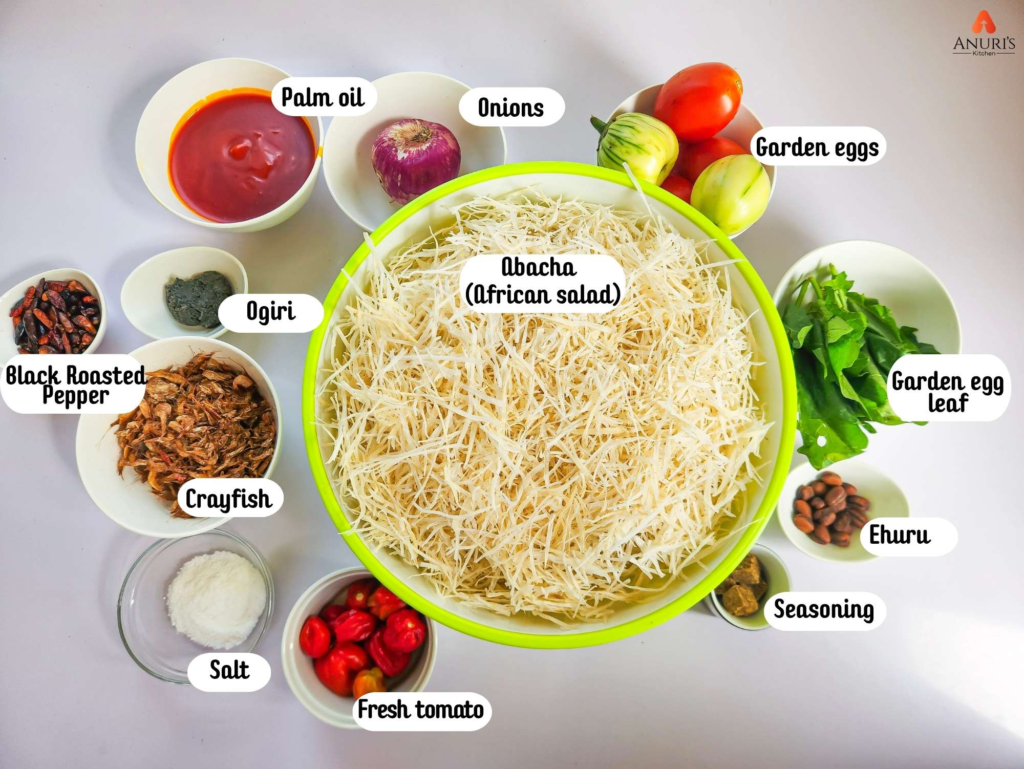
- Abacha: This is the star of the dish. It is gotten from processed and dried cassava, which is then soaked in water to soften before use. Its slightly chewy texture is what gives abacha its unique and satisfying feel.
- Palm Oil: Palm oil gives abacha its bright yellow color and rich, traditional flavor. It also helps to bind all the ingredients together, creating that glossy, appetizing look.
- Seasoning: Seasoning helps to enhance the overall taste of the dish. It brings all the ingredients together and ensures the abacha balances well and flavorful.
- Ogiri: Ogiri is a traditional fermented seasoning gotten from seeds. It has a strong aroma and gives abacha that deep, authentic local taste that makes the dish stand out.
- Ehuru: Also known as calabash nutmeg, ehuru adds a warm, slightly spicy and earthy flavor. Usually, you ground it and add in small amounts for extra depth.
- Crayfish: Ground crayfish adds a rich, savory flavor to the dish. It boosts the taste and gives abacha that delicious umami profile.
- Black Roasted Pepper: This adds a smoky and slightly intense heat to the dish. It enhances the flavor and gives abacha a more traditional taste. However, be careful when adding to avoid excess pepper.
- Onions: Onions add a mild sweetness and a bit of crunch. They also help to balance the strong flavors from ingredients like ogiri.
- Fresh Pepper: Fresh pepper brings heat and freshness to the dish. You can adjust the quantity depending on how spicy you want your abacha to be.
- Tomatoes: Tomatoes is usually for garnishing the meal once it is ready. They are slice into small bits or a round shape, They add a slight tanginess and freshness.
- Salt: Salt helps to bring out all the flavors in the dish. Also, add salt in moderation to avoid overpowering the taste.
- Garden egg leaf: Garden egg leaves add freshness, color, and a mild earthy flavor to the dish. They also give the meal a more traditional feel and blend well with the rich flavors of the other ingredients. It is an essential ingredient for that authentic abacha flavor. Others may prepare utazi leaf which gives a slightly bitter taste. It all depends on your preference.
FOR GARNISHING (Optional)
- Tomato (Sliced) Fresh tomatoes add color, freshness, and a slight juicy sweetness to the dish. They also help brighten up the presentation and balance the smoky flavor of the grilled catfish.
- Fresh Pepper Slices: Fresh pepper slices add extra heat and freshness to the meal. They also give the dish a vibrant look and enhance the spicy flavor.
- Garden Egg: Garden eggs add freshness and a satisfying crunchy texture to the dish. You can mix them into the meal once it is ready or serve them on the side as a fresh vegetable accompaniment.
- Onions: Onions add freshness, crunch, and a mild sweetness to the dish when used as a garnish. They also enhance the flavor and give the meal a more colorful and appetizing appearance.
Preparing the Ingredients
- Add your dry roasted pepper, ehuru, and crayfish into a dry blender or grinder, then blend until they form a fine powder. Grinding these ingredients together helps the flavors combine properly and spread evenly through the dish. Also, the crayfish adds a rich savory taste, the dry roasted pepper brings smoky heat, while the ehuru gives the meal its warm traditional aroma and flavor.
- Remember to soak the abacha in warm water for just 2–3 minutes. You do not want it to absorb too much water and become soggy. Once you notice it has softened slightly and the hardness has reduced, sieve it out immediately. Leave it in the sieve to drain properly and set aside.
How to Make Abacha African Salad
Step 1: In a wide pot, add your palm oil, seasoning, ogiri, salt, a little ground crayfish, dry roasted pepper, and ehuru. Mix everything together.
Step 2: Combine together till you combine properly and its smooth. This forms the rich base of your abacha.
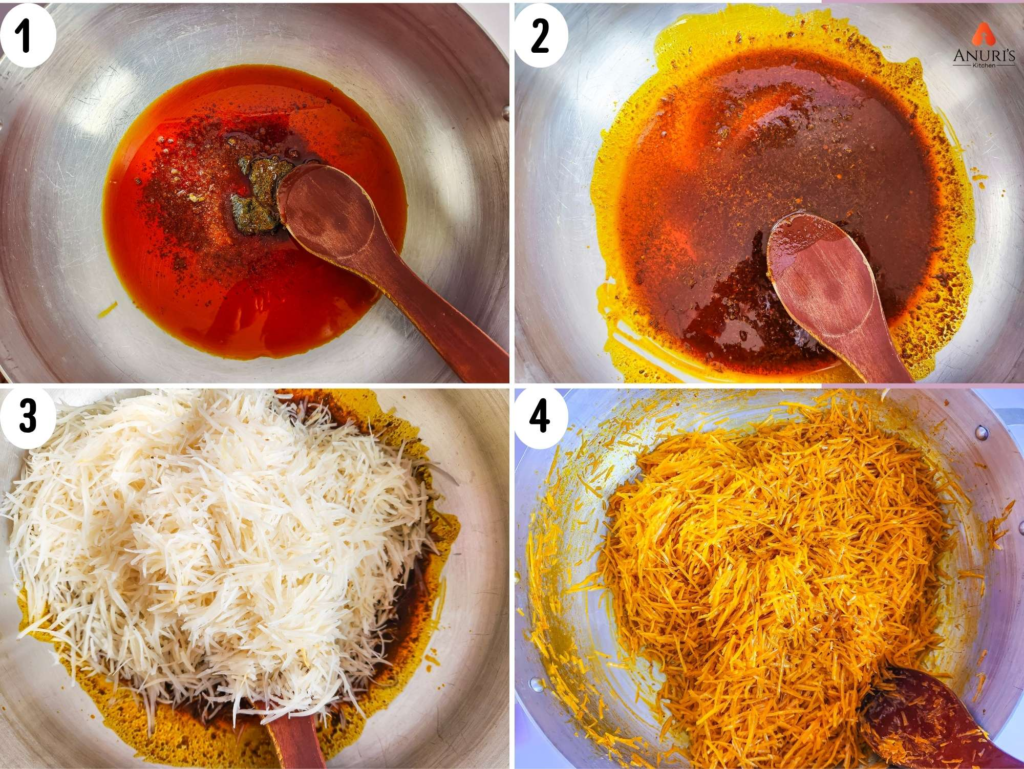
Step 3: Add the already soaked and well-drained abacha into the mixture and combine thoroughly.
Step 4: Mix the abacha with the sauce properly. Make sure the sauce coats every strand well so the flavor spreads evenly.
Step 5: Add the blended roasted pepper and ehuru. Then, combine properly.
Step 6: Now, add your ground crayfish and mix well.
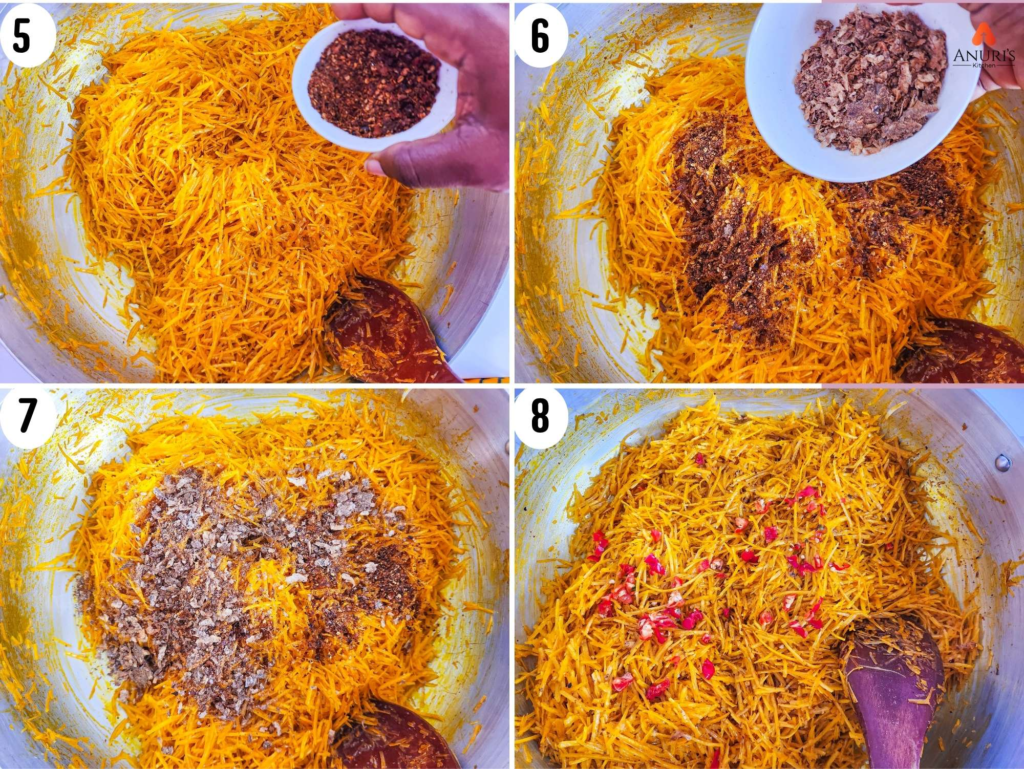
Step 7: Once you have added all the ingredients, stir well and taste for salt and seasoning. Adjust to taste.
Step 8: Finally, sprinkle fresh pepper in the abacha. Mix gently to combine. Once everything is well blended, your abacha is ready to serve.
How to Garnish
For this garnish, you will use tomatoes, garden eggs, onions, and fresh pepper. Start by slicing your tomatoes into tiny pieces or round circles, depending on the look you want. Since the garnish adds beauty to the meal, arrange and cut everything neatly so the dish looks colorful and visually appealing.

Next, slice the garden eggs and onions into thin pieces as well. Then, chop the fresh pepper into tiny bits to add a touch of heat and freshness to the plate.
Once everything is ready, serve your Abacha on a plate and arrange the vegetables around or on top of it as garnish. This not only gives the dish a beautiful burst of color but also adds freshness, crunch, and extra nutrients to the meal. Pair with a cup of chilled zobo for that refreshing taste.
What to pair and serve with your Abacha
Serve this Abacha with juicy ugba, ugba and fish sauce and kanda on the side for that extra traditional touch and deeper flavor. You can also pair it with fried mackerel fish or Grilled Catfish to make the meal more filling, rich, and satisfying. You can serv this with a chilled zobo drink by the side.
Print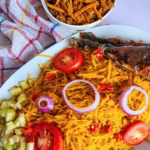
Abacha African Salad
- Diet: Dairy-Free
Description
Abacha, also known as African Salad, is a flavorful Nigerian delicacy made with shredded cassava, palm oil sauce, spices, and traditional seasonings. It combines crunchy vegetables, fish, and local ingredients to create a rich, savory, and slightly spicy dish full of texture and aroma. Popular in Eastern Nigeria, Abacha is perfect as a light meal, side dish, or festive delicacy enjoyed fresh and flavorful.
Ingredients
- Abacha: Dried cassava strips softened in water; gives the dish its chewy texture.
- Palm Oil: Adds rich traditional flavor and bright yellow color.
- Seasoning: Enhances and balances the overall taste of the dish.
- Ogiri: Fermented seasoning that gives deep, authentic local flavor.
- Ehuru (Calabash Nutmeg): Adds warm, earthy, slightly spicy aroma.
- Crayfish: Provides savory umami richness and depth.
- Black Roasted Pepper: Adds smoky heat and traditional flavor.
- Onions: Bring mild sweetness and light crunch.
- Fresh Pepper: Adds freshness and adjustable spice.
- Tomatoes: Used for garnish, adding freshness and slight tanginess.
- Salt: Enhances and balances all flavors.
- Garden Egg Leaf / Utazi Leaf: Adds freshness, traditional flavor, and slight earthy or bitter notes.
Instructions
Step 1: Prepare the Palm Oil Base
In a wide bowl or pot, combine palm oil, seasoning, ogiri, salt, crayfish, roasted pepper, and ehuru. Mix until smooth and well blended.
Step 2: Add the Abacha
Add the soaked and well-drained abacha into the mixture. Stir thoroughly so the sauce coats every strand evenly.
Step 3: Add Extra Flavorings
Add blended roasted pepper, ehuru, and more ground crayfish if needed. Mix properly to combine all flavors.
Step 4: Adjust Seasoning
Taste the mixture and adjust salt or seasoning to your preference. Stir well to balance the flavors.
Step 5: Finish and Serve
Add fresh pepper, sliced onions, and garden egg leaves or utazi. Mix gently and serve fresh.
Notes
- Category: Main Course
- Method: lightly cooked
- Cuisine: Nigerian