Meat Pie Recipe
Disclosure: Some of the links in this post are affiliate links. This means if you click on the link and purchase an item, I will receive an affiliate commission at no extra cost to you.
If you’ve never tried Nigerian meat pie, then you are truly in for a delicious experience because this recipe is a complete game changer. Nigerian meat pie stands as one of the most loved snacks in Nigeria, right alongside classics like Puff Puff and Chin Chin.
This snack is hearty, flavorful, and incredibly satisfying.
Nigerian meat pie is hearty, flavorful, and incredibly satisfying, with a filling that makes it feel almost like a full meal.
Over time, however, people have become more creative with the fillings, which is why we now enjoy variations like fish pie and chicken pie.

I personally love how flexible this snack is because it allows you to customize the filling to suit different taste preferences.
Another reason Nigerian meat pie remains so popular is how versatile it is when it comes to serving occasions. It fits perfectly into celebrations like birthdays, picnics, school parties, family gatherings, and festive holidays. It also makes an excellent addition to lunch boxes.
If you want to elevate the experience, pair your meat pie with a chilled glass of zobo drink or a cup of sweetened coconut milk. The combination balances the richness of the pastry.
One of the best parts about this recipe is how beginner-friendly it is. This recipe breaks everything down in a simple, easy-to-follow way, helping you achieve that perfect flaky crust and flavorful filling without stress.
By the time you finish making this snack, you’ll understand why it remains one of the most beloved snacks in Nigerian homes and gatherings.
Ingredients Needed to Make Pie
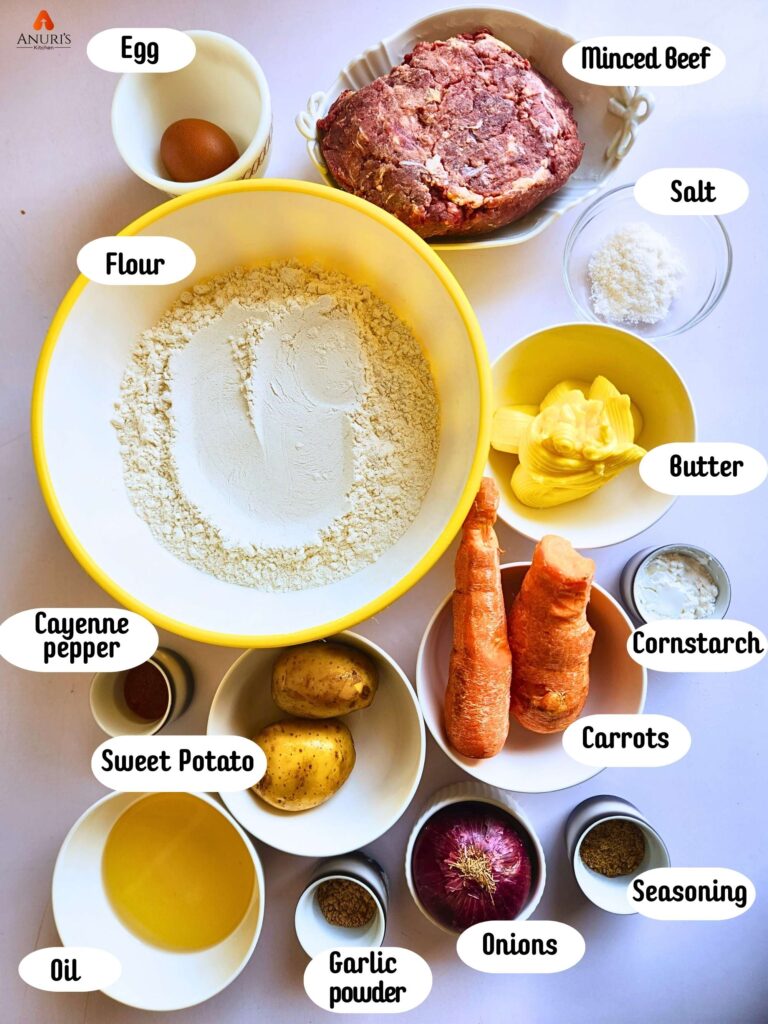
For the Dough
Flour: All-purpose flour works best for Nigerian meat pie because it gives the dough the right structure while still keeping it soft and easy to work with. It helps the crust hold the filling properly without becoming tough or overly chewy. Using good-quality flour also helps you achieve a smooth dough texture.
Butter: Butter is essential for achieving the tender, flaky texture that makes meat pie crust so enjoyable. When it is kept chilled before mixing, it blends with the flour in a way that creates small pockets throughout the dough. As the pie bakes, these pockets melt and form delicate layers that give the crust its light and slightly crisp bite.
Unsalted butter should be your go to because it allows better control of the seasoning in the dough. If you only have salted butter, you can adjust by reducing or omitting additional salt. Margarine can also be used as an alternative, but it produces a crust that is less rich in flavor and less flaky.
Water: Cold water is extremely important when making meat pie dough. It helps bring the dough together while keeping the butter from melting too early. Solid butter inside the dough creates those flaky layers when baked. Warm or room-temperature water can soften or melt the butter too quickly, which results in a dense crust instead of a flaky one.
Always add the water gradually until the dough comes together nicely without becoming sticky.
Salt: Salt might seem like a small addition, but it’s not. It enhances the flavor of the dough and prevents the crust from tasting bland. You only need a small amount because the filling already contains seasoning. If you’re using margarine or salted butter, reduce the quantity of salt to keep the flavor balanced.
For the Fillings
Minced Beef: Lean minced beef is preferable because it produces rich flavor without releasing excess grease, keeping the filling moist but not oily.
Seasonings: Simple seasoning brings the filling to life. Salt enhances the overall taste, garlic powder adds depth and savory flavor. Beef seasoning cubes give the filling that classic Nigerian meat pie taste. If you enjoy a little heat, you can add a small amount of pepper or chili powder.
Flour or Corn Starch: Cornstarch helps thicken the filling and keeps everything nicely combined. It prevents the filling from becoming watery and helps it stay neatly inside the pastry during baking. If cornstarch is unavailable, all-purpose flour is a great substitute.
Egg: Coating the pie with egg before baking gives the crust an attractive golden finish.
Vegetables: Potatoes, carrots, onions all wok together to create a well-balanced filling packed with flavor and texture. Onions add natural sweetness and aroma, carrots bring color and mild sweetness.
Potatoes make the filling more filling and satisfying. Cutting the vegetables into small, even cubes helps them cook evenly and blend smoothly with the minced meat. You can also add diced bell peppers if you want extra color and freshness.
Oil: A small amount of vegetable oil, helps stir-fry the vegetables and enhances the overall flavor of the filling. If your minced beef already contains enough fat, you can reduce or skip the oil.
Step 1: How to Make Meat Pie Dough
- Start by mixing all purpose flour and salt together.
- Cut the butter into smaller pieces and add it to the flour. You can use salted or unsalted butter. Margarine is also an option. Combine the butter together with the flour using your fingers until it starts forming crumbs. The crumbs should look like bread crumbs.
- Go in with your cold water. This is necessary because it helps solidify the butter so the dough is easy to work with.
- Mix until the dough comes together firmly.
- Do not knead the dough. Put it in a plastic bag ad place it in the fridge to chill.
Step 2: How to Make Meat Pie Fillings
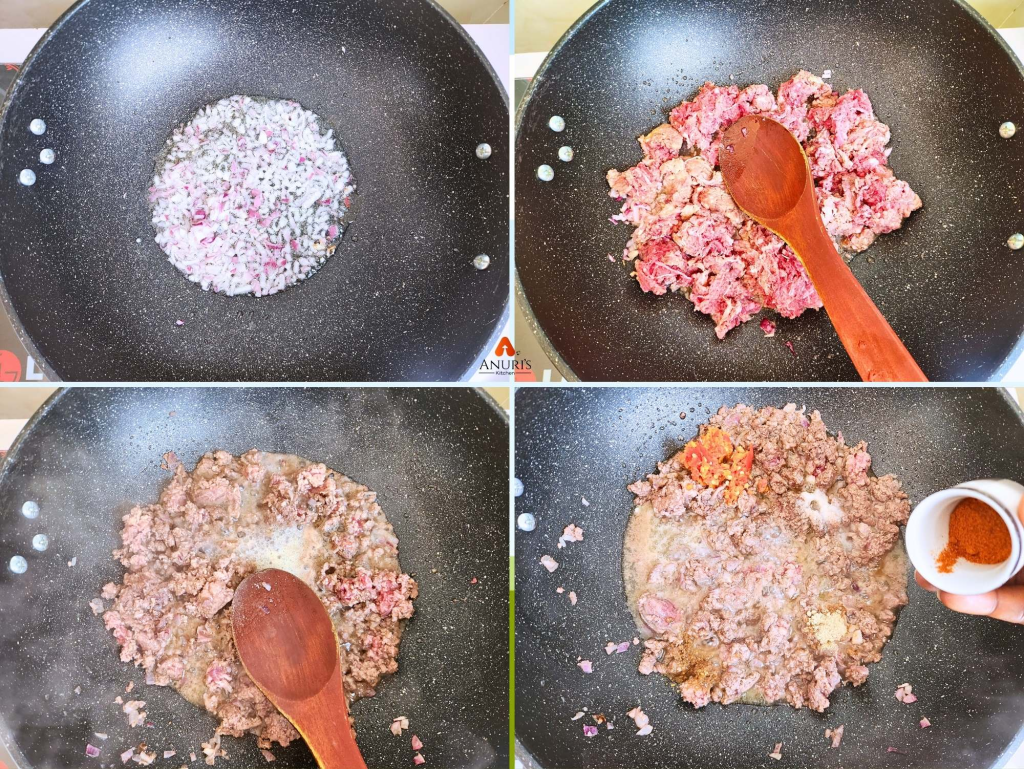
- Warm a small amount of oil in a pan over medium heat. Add the chopped onions and sauté them until they become soft and release a pleasant, fragrant aroma.
- Next, put the minced beef and use your spoon or spatula to break it apart, especially if there are clumps. This helps the meat cook evenly. Continue stirring and frying until the beef loses its raw color and is properly cooked through.
- Season the meat with some beef seasoning cube, ginger, salt, garlic powder, pepper. Mix thoroughly.
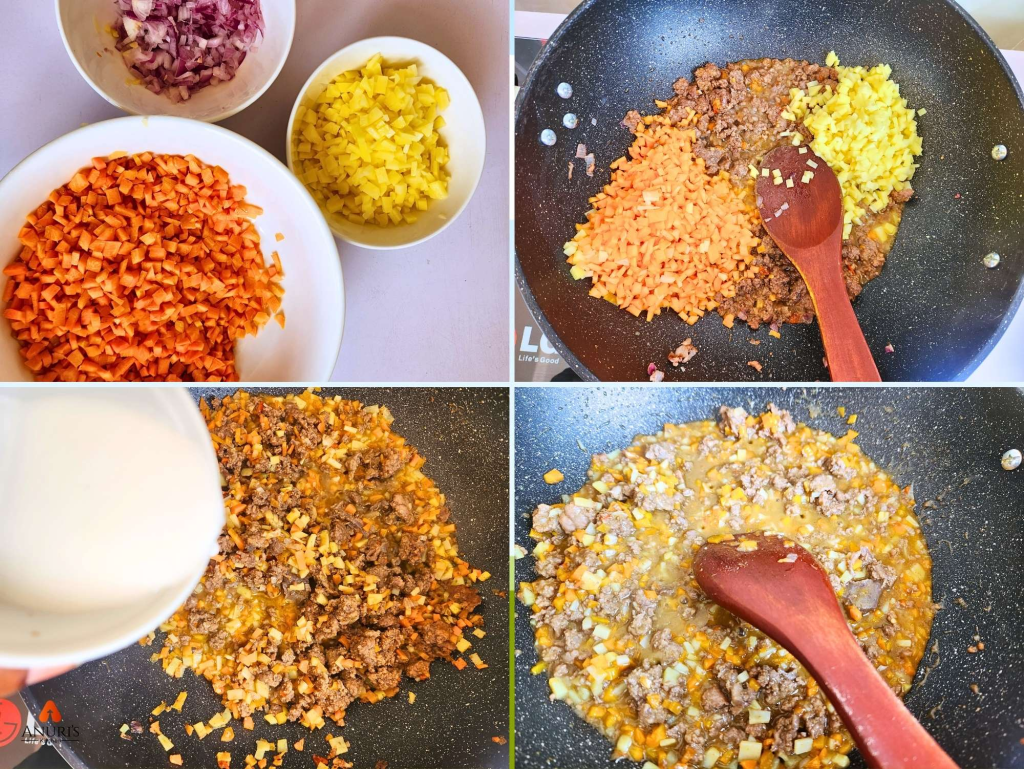
4. Fry for few minutes, then add your chopped carrots and potatoes.
5. After frying for 2-3 minutes, pour some water. Cover the pot and allow to cook for about 10-15 minutes. You are cooking on a low or medium heat until the potatoes are soft.
6. Add the thickening mixture made from corn flour and water, then stir until the filling becomes rich and well set. Once thickened, it’s ready. Remove from heat and set the filling aside to cool completely before assembling the pie.
Step 3: Shaping and Preparing the Meat Pies for Baking
Items You’ll Need
- Chilled Pie Dough: Dough that has rested in the fridge is firmer, easier to roll, and holds its shape better while working with it.
- Fully Cooled Filling: Warm filling can soften the dough and make it difficult to seal properly, so allow it to cool completely.
- Egg Wash: A whisked egg helps bind the dough edges together and gives the pies a beautiful golden, glossy finish after baking.
- Light Dusting Flour: About one tablespoon helps prevent sticking while rolling.
- Rolling Pin and Pastry Brush: These tools help roll the dough evenly and apply the egg wash neatly.
How to Shape and Prepare the Pies
- Start by dividing the dough into smaller portions. Place one portion on a lightly floured surface and roll it out using your rolling pin until it is thin, not too thin. If you notice the dough sticking to the rolling pin or surface, sprinkle a small amount of flour to make handling easier.
- Use the lid of a small pot, a round meat pie cutter, or even the edge of a bowl to cut neat circles from the rolled dough. If the bowl edge is not sharp enough, carefully trace around it with a knife to create clean cuts.
- Brush the edges of each dough and circle with egg wash to help them stick together and prevent the pie from opening while baking.
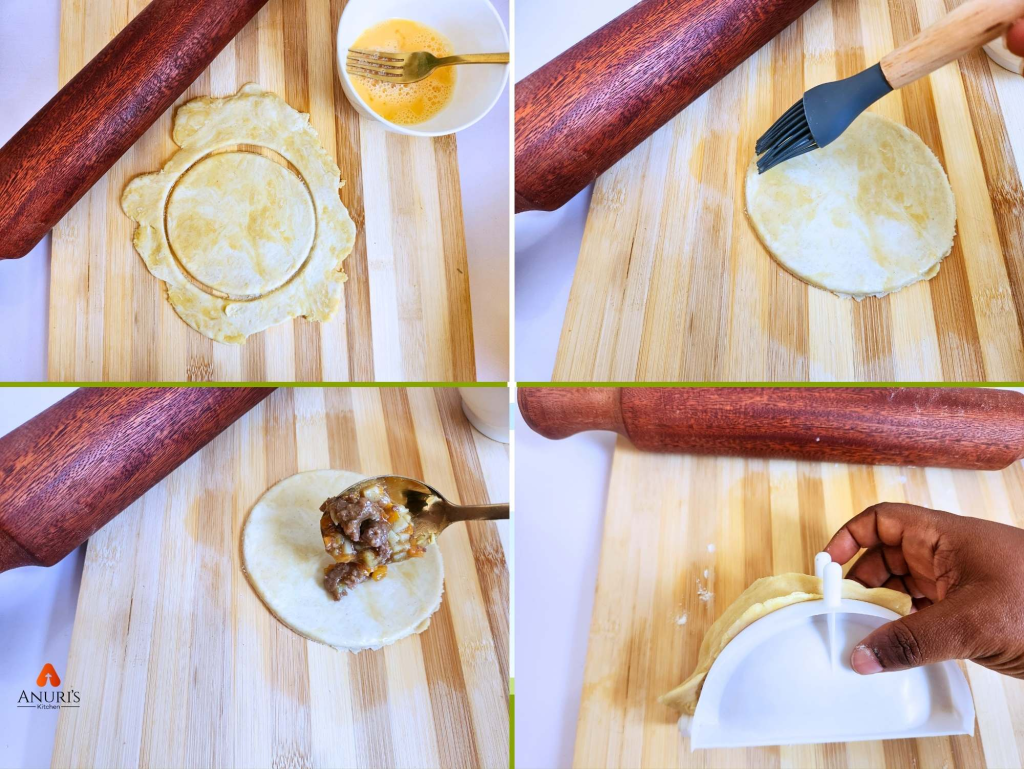
- Scoop a moderate amount of the cooled filling and place it in the center of each dough circle. About 1 and half to 2 tablespoons is enough. Avoid adding too much filling because it can cause the pies to split open while baking.
- Fold one side of the dough over the filling to create a half-moon shape. Press the edges together gently with your fingers, then use a fork to crimp the edges firmly. This not only secures the pie but also gives it the traditional decorative finish.
- Transfer the shaped pies onto a baking tray lined with parchment paper. Generously brush the tops with egg wash to achieve a rich, shiny crust.
- Using a fork, create small holes on the surface of each pie. These tiny vents allow steam to escape during baking, preventing the pies from swelling or bursting.
At this stage, your pies are neatly shaped and ready to go into the oven

Step 4: Baking the Meat Pies
- Once your pies are neatly shaped and ready to go into the oven, preheat your oven. The oven should be around 350°F (175°C).
- Put the tray in the oven and bake for 30–40 minutes, until the pies are perfectly golden and cooked through.
Let the pies cool a little before serving. They’re delicious when warm, but just as tasty at room temperature.
What to Do with Leftover Pie Dough After Baking
Leftover dough is actually a good thing because it gives you room to get creative instead of letting it go to waste. There are several simple and delicious ways to use it.
If the remaining dough is still enough to roll out, you can turn it into mini pies. Simply fill them with any leftover meat filling, vegetables, or even sweet fillings like jam or chocolate spread. These smaller treats bake faster and are perfect for quick snacks. You can also bake it without adding any fillings.
After baking and you don’t feel like baking any other thing immediately, you can wrap the dough tightly in cling film or place it in an airtight container and freeze it. Properly stored dough can last up to 2–3 months in the freezer. When ready to use, allow it to thaw slowly in the refrigerator.
Other recipes you’ll love: Chin-chin
How to Store Baked Meat Pie
Proper storage helps maintain the freshness, taste, and texture of your pies.
Short-Term Storage (Room Temperature)
If you plan to eat the pies within a day, allow them to cool completely and store them in an airtight container. Keeping them covered prevents them from drying out or absorbing moisture from the environment.
Refrigeration
For storage beyond one day, place cooled pies in an airtight container or wrap them individually in foil or cling film. Store them in the refrigerator for up to 4–5 days.
Freezing Baked Meat Pie
Baked pies freeze very well. Wrap each pie individually in foil or plastic wrap, then place them in a freezer-safe container or bag.
Reheating Baked Meat Pie
- Oven reheating works best because it keeps the crust flaky. Heat at about 160–170°C (320–338°F) for 10–15 minutes.
- Avoid microwaving if possible, as it can make the crust soft and soggy, though it works if you’re in a hurry.
How to Store Unbaked Meat Pie
Sometimes preparing pies ahead of time can save cooking time later, especially during busy days or events.
Refrigerating Unbaked Pies
Arrange the assembled pies on a tray, cover them lightly with cling film, and store in the refrigerator for up to 24 hours before baking. This helps maintain freshness without affecting texture.
Freezing Unbaked Pies
Place the assembled pies on a tray lined with parchment paper and freeze until firm. Once frozen, transfer them into freezer bags or airtight containers. Freezing them individually first prevents them from sticking together.
Unbaked pies can stay frozen for up to 2–3 months. When ready to bake, you can bake directly from frozen, just add a few extra minutes to the baking time. Don’t forget to brush with egg wash before baking for that golden finish.
Health Benefits of Meat Pie
While meat pie is often seen as a comfort snack, it also provides several nutritional benefits when enjoyed in moderation.
1. Good Source of Protein
The minced meat filling supplies protein, which helps with body growth, muscle repair, and overall body maintenance. Protein also helps keep you fuller for longer periods.
2. Provides Energy
The pastry crust contains carbohydrates from flour, which gives the body energy needed for daily activities. This makes meat pie a satisfying and filling snack or meal option.
3. Contains Essential Vitamins and Minerals
Vegetables like carrots, potatoes, and onions contribute vitamins and minerals such as Vitamin A, Vitamin C, and potassium. These nutrients support immune health and overall body function.
4. Supports Brain and Body Function
Beef contains iron and zinc, which are important for healthy blood circulation and immune support. Iron especially helps prevent fatigue by aiding oxygen transport in the body.
Note: Because meat pie also contains fats and refined carbohydrates, it is best enjoyed as part of a balanced diet. Pairing it with fresh fruit, vegetables, or healthy drinks like zobo or smoothies can help create a more nutritious meal.

Whether you’re making them for a party, a lunchbox, or just a cozy treat at home, these meat pies are versatile, satisfying, and comforting. With a golden, buttery crust and a hearty, savory filling, they’re proof that homemade snacks can be both simple and extraordinary.
So grab your ingredients, follow the steps, and enjoy the process because nothing beats the aroma and taste of freshly baked meat pies straight from your kitchen. Your family and friends will thank you, and you’ll find yourself coming back to this recipe again and again.
Tips and Tricks for Perfect Meat Pies
Butter and Dough: Keeping the butter chilled and handling the dough minimally is key to achieving a tender, flaky crust. Letting the dough rest in the fridge for at least 30 minutes firms it up, making rolling and shaping much easier. If you’re pressed for time, a quick 15-minute stint in the freezer works just as well.
Thickening the Filling: To get a smooth, cohesive filling, combine cornstarch or flour with a little water to create a paste before adding it to the mixture. For a more natural approach, you can mash a portion of the cooked potatoes directly into the meat and vegetable filling—it thickens while adding extra flavor.
Cutting Dough Circles: For uniform pie shapes, use the lid of a small pot, a round pastry cutter, or even the edge of a bowl to cut out circles from the rolled dough. If the edges aren’t sharp enough, carefully trace around the shape with a knife. Any leftover dough can be rolled out again to avoid waste.
Egg Wash and Steam Vents: Before poking small holes on the top of each pie, apply a layer of egg wash. This ensures the surface browns nicely while keeping the vents clear so steam can escape during baking, preventing the pies from puffing up unevenly or bursting.
Print
Meat Pie
- Diet: High protein
Description
Flaky, golden, and perfectly filled, Meat Pie is a classic savory pastry loved across Nigeria. It features a buttery crust wrapped around a rich filling of seasoned minced meat, vegetables, and spices. Baked until crisp on the outside and soft inside, it’s a satisfying snack or meal perfect for any time of the day.
Ingredients
FOR THE DOUGH
- Flour (All-purpose): Provides structure while keeping the dough soft and easy to handle.
- Butter (Cold, unsalted): Creates a tender, flaky crust; chilled butter is key for layering.
- Cold Water: Helps bind the dough without melting the butter, ensuring flakiness.
- Salt: Enhances flavor and balances the overall taste of the crust.
FOR THE FILLINGS
- Minced Beef (Lean): Provides rich, savory flavor without excess oil.
- Seasonings (Salt, Garlic Powder, Beef Cubes, Pepper/Chili): Build depth and give classic Nigerian meat pie taste.
- Flour or Cornstarch: Thickens the filling and prevents it from becoming watery.
- Egg (for wash): Gives the pie a golden, glossy finish when baked.
- Vegetables (Potatoes, Carrots, Onions, optional Bell Peppers): Add sweetness, color, texture, and make the filling more satisfying.
- Vegetable Oil: Lightly sautés vegetables and enhances flavor (optional depending on meat fat).
Instructions
Step 1: Make the Meat Pie Dough
Mix flour and salt in a bowl. Add cold butter and rub in with fingers until it forms breadcrumbs. Gradually add cold water and mix until a soft dough forms. Do not knead. Wrap and chill in the fridge to firm up.
Step 2: Prepare the Meat Filling
Heat a little oil and sauté onions until fragrant. Add minced beef and cook until browned and crumbly. Season with salt, seasoning cube, garlic, ginger, and pepper. Add diced carrots and potatoes, stir, then add water and cook until soft. Thicken with a cornflour slurry, cook briefly, then cool completely.
Step 3: Roll and Shape the Pies
Divide chilled dough and roll on a floured surface. Cut into circles using a bowl or cutter. Place cooled filling in the center (about 1–2 tablespoons). Brush edges with egg wash, fold into half-moons, and seal with a fork. Place on a lined baking tray, brush tops with egg wash, and prick small holes for steam release.
Step 4: Bake the Meat Pies
Preheat oven to 175°C (350°F). Bake for 30–40 minutes until golden brown and fully cooked. Remove and allow to cool slightly before serving warm or at room temperature.
Notes
Keep the dough cold at all times to achieve a flaky, tender crust. Warm dough melts the butter and makes it dense instead of light.
Do not knead the dough. Overworking it makes the pastry tough and less flaky after baking.
Always let the meat filling cool completely before assembling. Warm filling softens the dough and can cause tearing or leaking.
Do not overfill the pies. Too much filling makes them burst open while baking.
Seal edges firmly with a fork and use egg wash. This prevents opening and gives a clean finish.
Create small holes on top before baking. This allows steam to escape and prevents bursting.
Bake at the correct temperature (175°C / 350°F). Too high burns the crust before the inside cooks properly.
- Category: Pastries, Snack
- Method: Baking, Sautéing